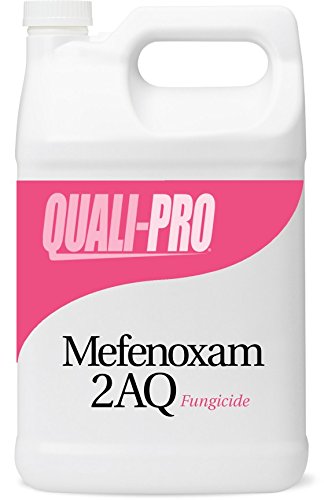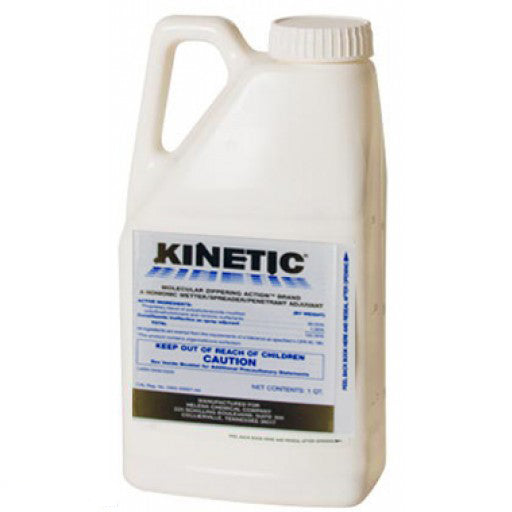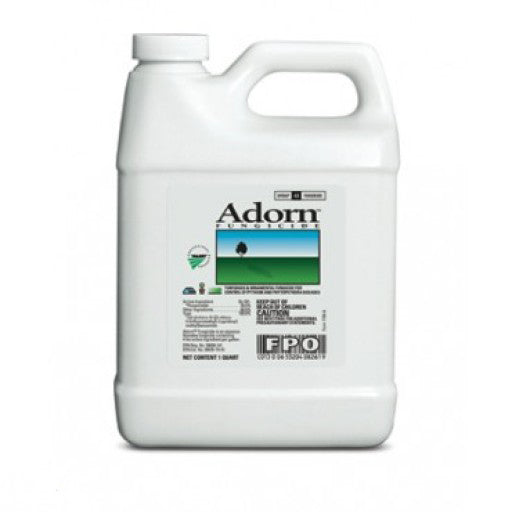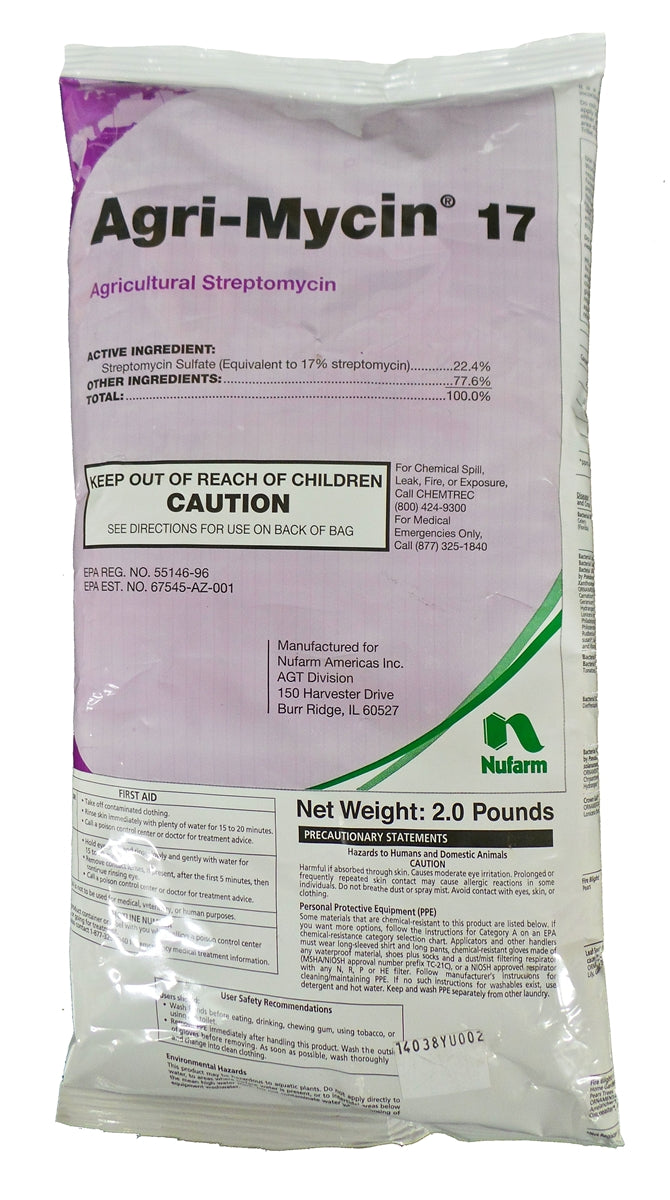
Nursery & Greenhouse Fungicides
222 products
Showing 217 - 222 of 222 products
Professional Fungicides for Nursery and Greenhouse Production
Nursery and greenhouse fungicides provide preventive, curative, and suppressive activity against diseases affecting ornamental plants, bedding plants, propagation material, container crops, nursery stock, and other labeled plants.
Available products may include contact protectants, locally systemic fungicides, translaminar products, systemic fungicides, biological fungicides, and specialized treatments for foliar, stem, crown, and root diseases.
Match the Fungicide to the Pathogen and Infection Site
Foliar disease programs may target Botrytis blight, powdery mildew, downy mildew, rusts, anthracnose, black spot, leaf spots, stem blights, and other labeled diseases. Effective selection depends on the pathogen, plant species, production environment, disease pressure, application timing, and required coverage.
Root and crown disease programs may include products labeled for Pythium, Phytophthora, Rhizoctonia, Fusarium, Thielaviopsis, Calonectria, and other soilborne pathogens. Because Pythium, Phytophthora, and downy mildews are oomycetes rather than true fungi, they often require different active ingredients and FRAC groups than products used for Botrytis, powdery mildew, or conventional leaf-spot diseases.
Protectant, Systemic, and Biological Fungicides
Protectant fungicides remain primarily on treated plant surfaces and generally perform best when applied before infection. Uniform coverage of susceptible foliage, flowers, stems, and growing points is important because new plant growth may not be protected after application.
Systemic, locally systemic, and translaminar fungicides move within or through treated tissues to varying degrees. Movement characteristics differ by active ingredient, so systemic activity should not be interpreted as complete redistribution throughout the plant.
Biological fungicides may contain beneficial microorganisms, fermentation products, or naturally derived active ingredients. These products can be incorporated into preventive disease-management programs, resistance rotations, propagation treatments, and conventional fungicide programs when permitted by the label.
Foliar Sprays, Drenches, Dips, and Chemigation
Nursery and greenhouse fungicides may be applied as foliar sprays, substrate drenches, cutting or root dips, bulb treatments, directed crown applications, chemigation, or irrigation-system treatments. The correct method depends on where the pathogen is active and how the fungicide moves within the plant or growing medium.
Foliar treatments require sufficient spray volume and canopy penetration to cover susceptible tissue. Root-zone treatments require accurate calculation of solution concentration and drench volume so the active ingredient is distributed through the treated substrate without excessive leaching.
Water pH, hardness, alkalinity, organic matter, substrate composition, irrigation practices, temperature, humidity, and drying time can influence product compatibility, persistence, plant uptake, and disease-control performance.
FRAC Groups and Resistance Management
Compare fungicides by active ingredient, FRAC group, spectrum, movement, residual interval, and preventive or curative positioning. Repeated use of the same FRAC group can select for resistant pathogen populations, particularly in intensive greenhouse programs with frequent applications and multiple crop cycles.
Rotate effective FRAC groups and use labeled mixtures containing complementary modes of action when appropriate. Multi-site fungicides and biological products may provide additional resistance-management options when they are effective against the target disease.
Fungicides perform best as part of an integrated disease-management program that includes sanitation, removal of infected material, irrigation management, adequate spacing, air circulation, humidity control, clean propagation material, and routine crop scouting.
Crop Safety and Application Planning
Ornamental species and cultivars can respond differently to fungicide formulations, tank mixtures, surfactants, and application conditions. Review the label for crop-specific restrictions and evaluate unfamiliar treatments on a representative group of plants before treating a large production block.
Confirm the labeled plant, disease, production site, application method, rate, spray or drench volume, retreatment interval, maximum number of applications, and reentry interval. Products labeled for ornamental plants should not be applied to edible greenhouse crops unless those crops are specifically included on the label.
Why Buy Nursery and Greenhouse Fungicides from Intermountain Turf Supply?
Intermountain Turf Supply offers professional fungicides for greenhouse growers, nursery producers, propagators, landscape contractors, interiorscape professionals, garden centers, and ornamental plant managers.
Customers can compare active ingredients, FRAC groups, labeled pathogens, plant species, application methods, residual intervals, package sizes, and cost per finished gallon. Our selection includes professional formulations for preventive programs, active disease management, root-zone treatments, resistance rotation, and integrated nursery and greenhouse production.