Greenhouse Aerosols & Total-Release Products
5 products
Showing 1 - 5 of 5 products
Professional Aerosols and Total-Release Foggers for Greenhouse Pest Management
Greenhouse aerosols and total-release foggers provide space, contact, and residual insect control in labeled ornamental-production areas. Depending on the product, applications may be permitted in enclosed greenhouses, shade houses, lath houses, propagation areas, plant-storage buildings, and other nursery structures.
These formulations may be used to manage labeled aphids, whiteflies, thrips, fungus gnats, mites, mealybugs, scale crawlers, flies, moths, beetles, and other greenhouse or nursery pests. Product selection should be based on the target pest, crop or ornamental species, production site, active ingredient, application method, and required reentry interval.
Aerosol Sprays Compared with Total-Release Foggers
Directed aerosols allow the applicator to treat specific plants, benches, cracks, crevices, equipment areas, or localized pest activity. They provide greater control over spray placement and are commonly selected for spot treatments or targeted applications.
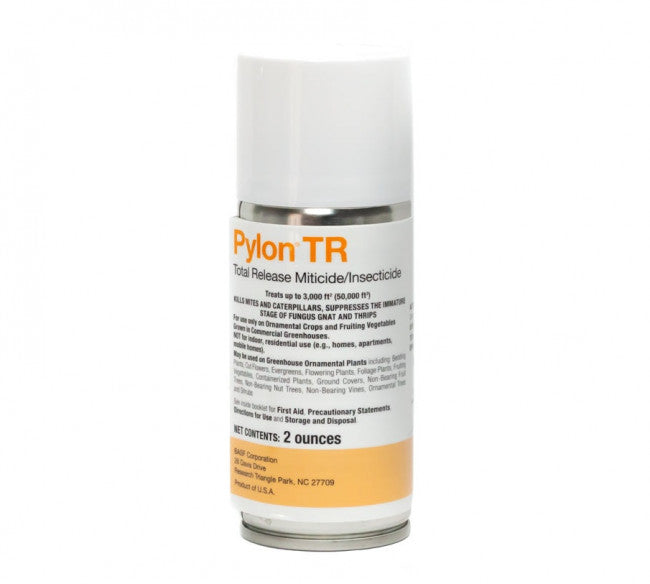
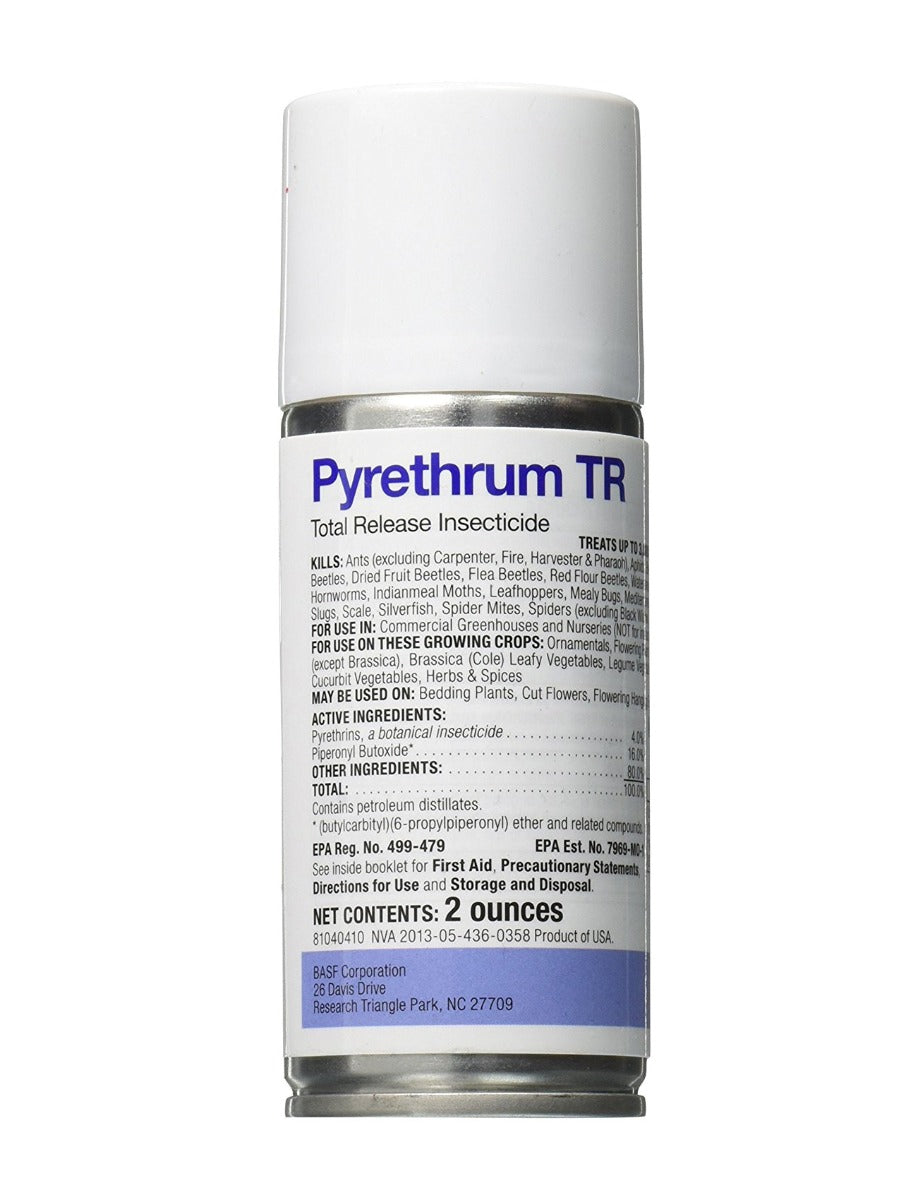
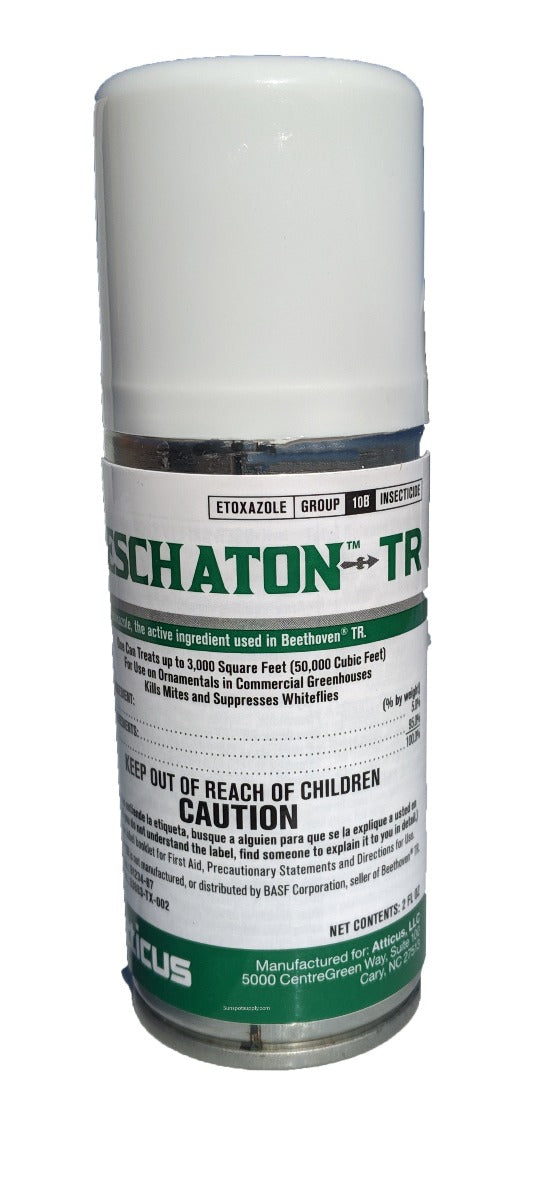
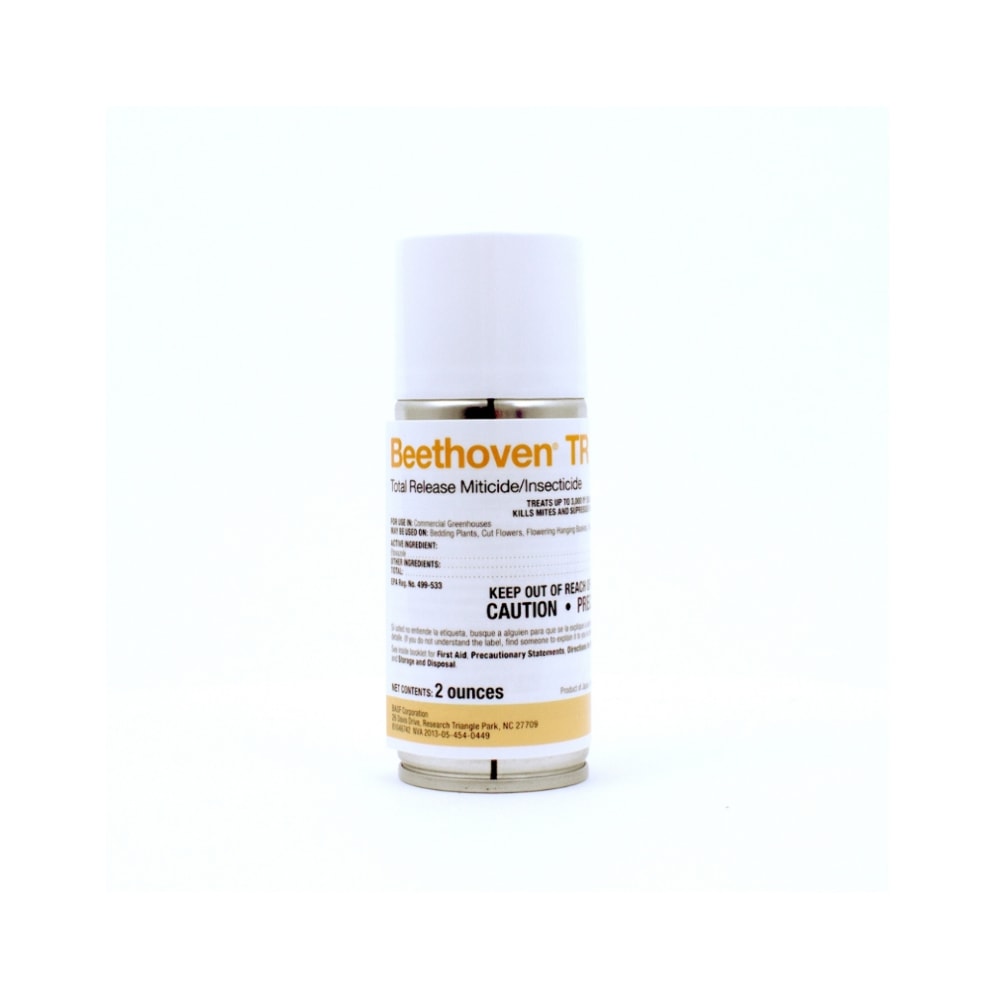
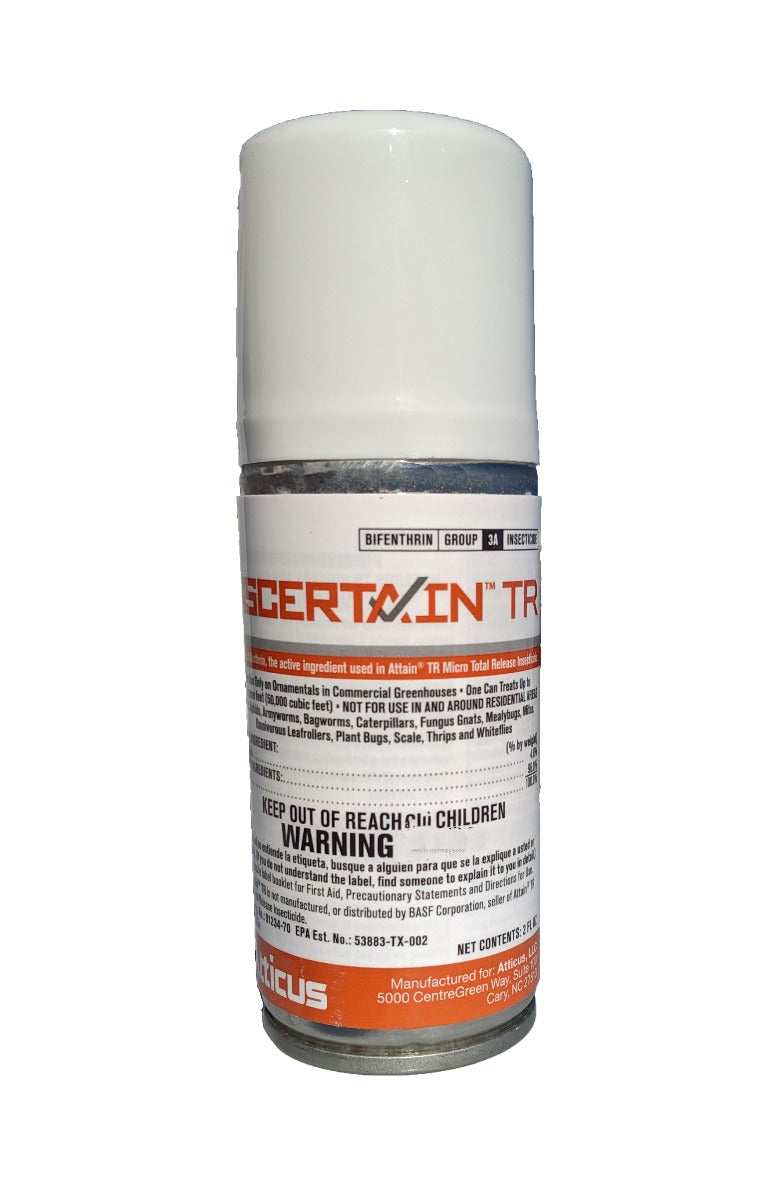
Total-release aerosols, commonly called bug bombs, discharge the entire contents of the canister after activation. The aerosolized insecticide is dispersed through the enclosed treatment area to contact exposed pests on plants, benches, floors, structural surfaces, and other labeled locations.
Total-release foggers are not true structural fumigants. Their performance depends on aerosol distribution and contact with exposed pests; they may not penetrate dense plant canopies, protected egg masses, soil, growing media, or concealed pest habitats as effectively as a fumigant or directed treatment.
Active Ingredients and Resistance Management
Nursery aerosol products may contain pyrethrins, synthetic pyrethroids, insect growth regulators, synergists such as piperonyl butoxide, or combinations of active ingredients. These formulations can provide rapid knockdown, residual activity, interruption of insect development, or a combination of effects depending on the product.
Compare the active ingredients and IRAC groups with other insecticides used in the production program. Repeated applications from the same mode-of-action group can select for resistant pest populations, particularly with frequently treated aphids, thrips, whiteflies, mites, and fungus gnats.
Calculate Greenhouse and Nursery Treatment Volume
Total-release fogger rates are usually based on cubic feet rather than floor area alone. Calculate treatment volume by multiplying the length, width, and average interior height of the structure. Adjustments may be necessary for connected bays, partitions, dense plant canopies, bench arrangement, air movement, and other factors affecting aerosol distribution.
Using more canisters than specified does not improve control and can increase residues, phytotoxicity, worker exposure, and flammable vapor concentrations. Follow the label for canister placement, treatment volume, ventilation-system operation, ignition-source shutdown, evacuation time, ventilation, and reentry.
Crop Safety and Application Timing
Confirm that the product is labeled for the nursery or greenhouse site and for the plants being treated. A product labeled for ornamental plants should not be applied to herbs, vegetables, fruiting plants, or other edible crops unless those uses are specifically included on the label.
Evaluate crop tolerance before treating sensitive cultivars, flowers, tender foliage, new growth, or plants under heat or moisture stress. Good aerosol distribution, appropriate temperature, adequate ventilation, sanitation, pest monitoring, and rotation with compatible modes of action can improve overall nursery pest management.
Why Buy Greenhouse Aerosols from Intermountain Turf Supply?
Intermountain Turf Supply offers professional aerosols and total-release foggers for greenhouse growers, nursery operators, interiorscape professionals, plant retailers, and commercial pest-management programs.
Customers can compare active ingredients, IRAC groups, labeled pests, crop-use directions, treatment volume, residual activity, reentry intervals, and package quantities. Professional formulations and case quantities provide practical options for individual greenhouse bays, propagation areas, retail plant spaces, and larger ornamental-production facilities.