

Dylox 6.2 Granular Insecticide bag (30 lbs)
Sale price$66.81
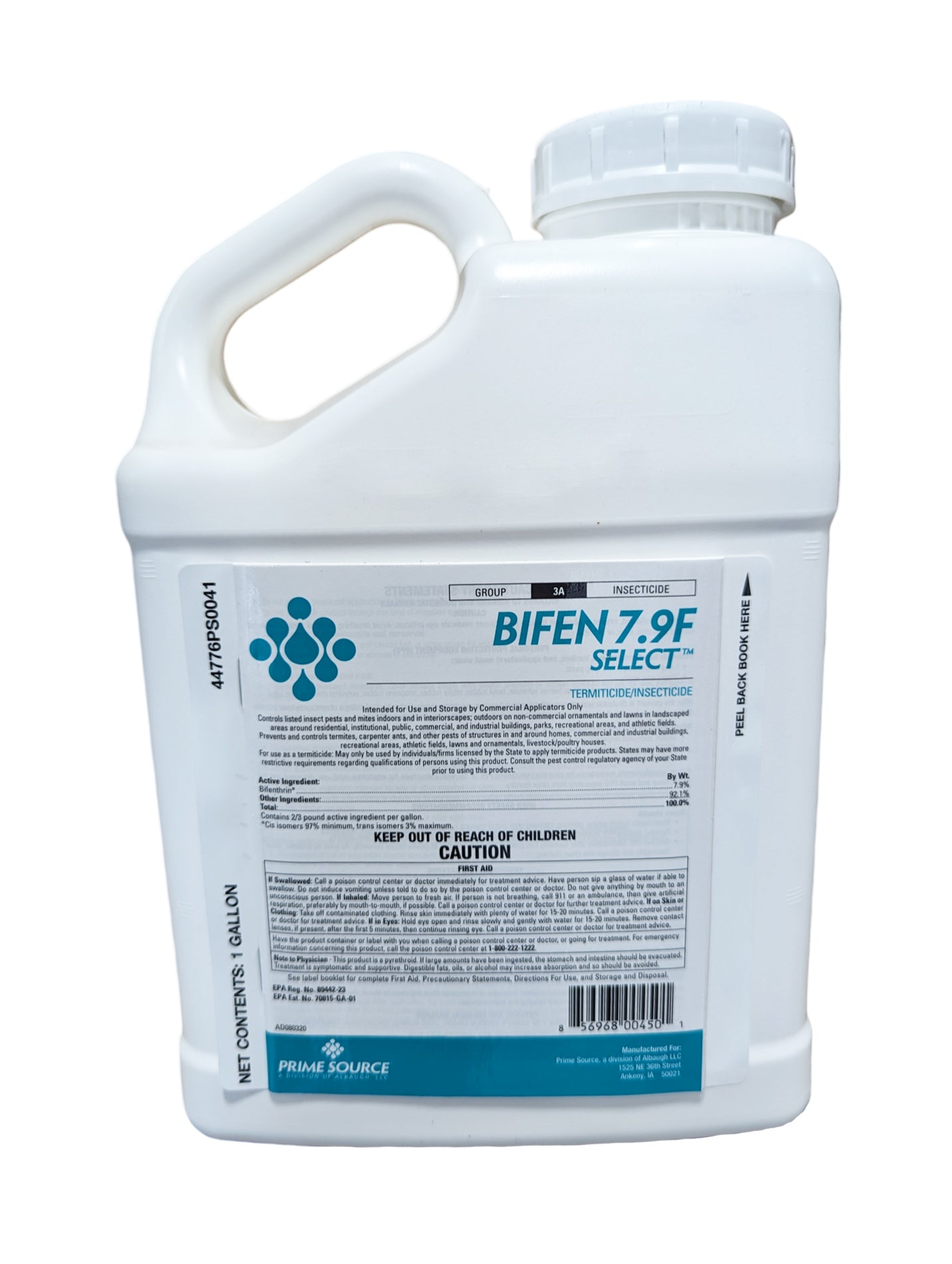
Bifen 7.9F Select gallon (128 oz)
Sale price$35.75
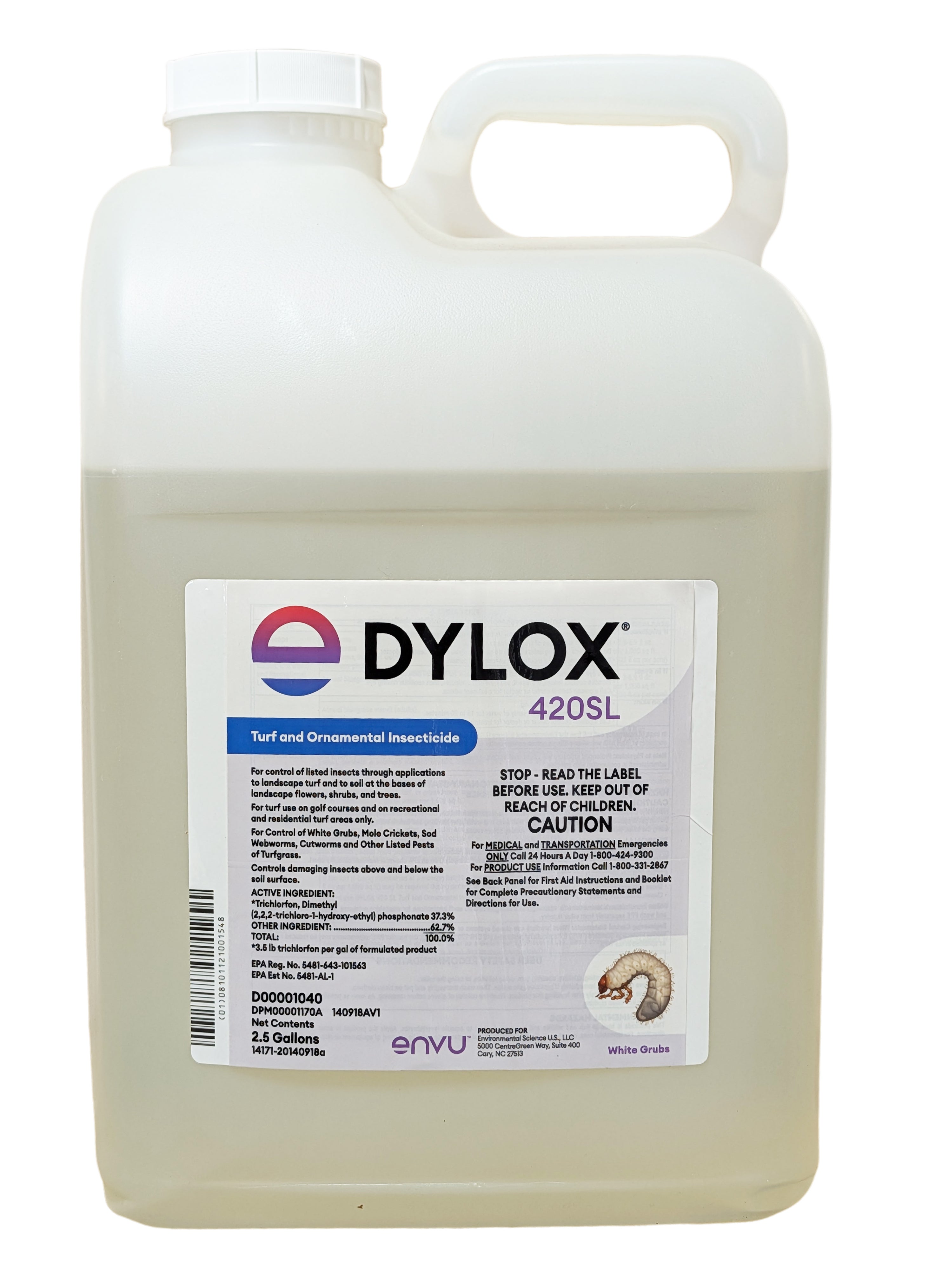
Dylox 420 SL Insecticide jug (2.5 gals)
Sale price$296.53
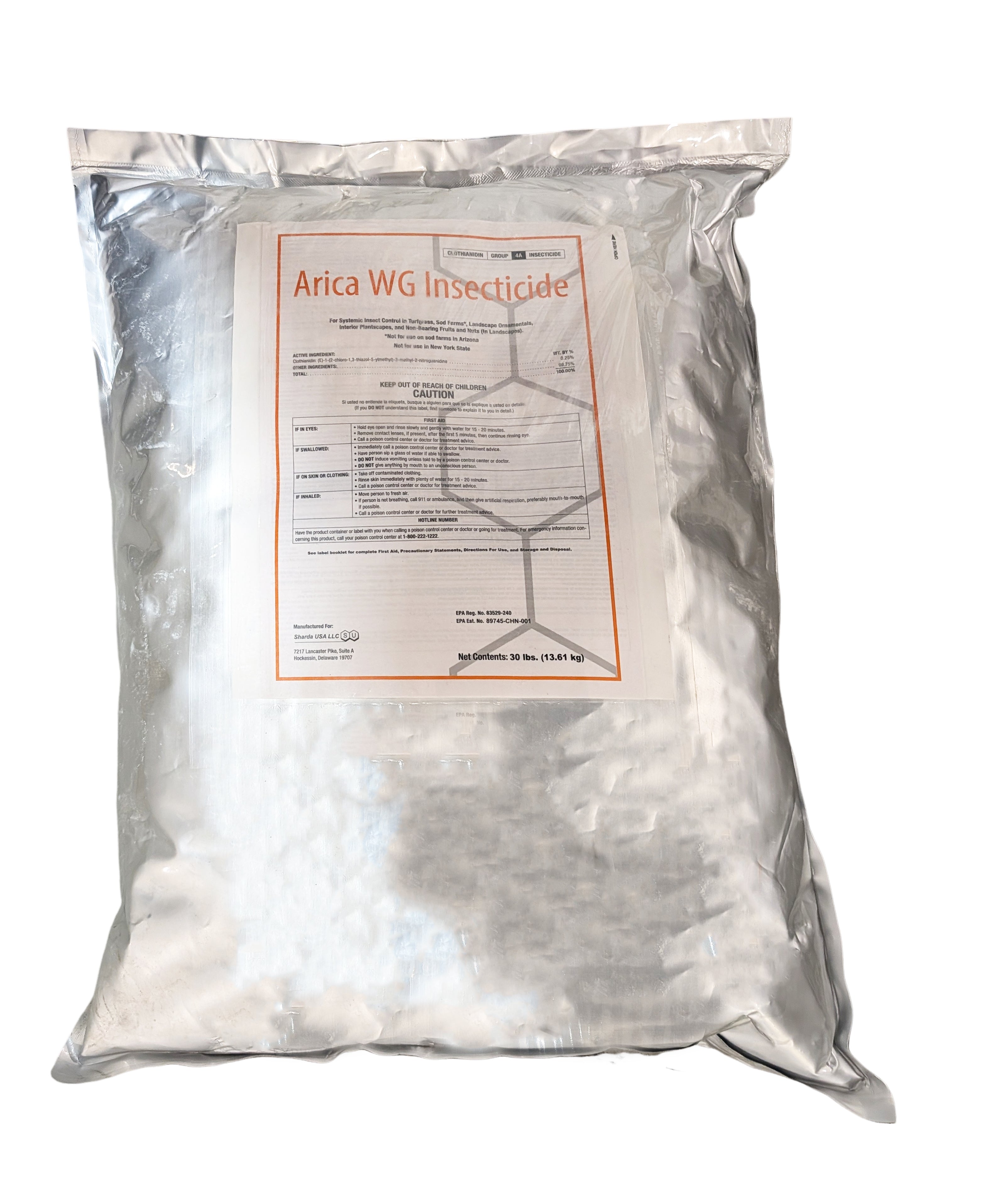
Arica WG Granular Insecticide (Arena .25G) bag (30 lbs)
Sale price$67.32
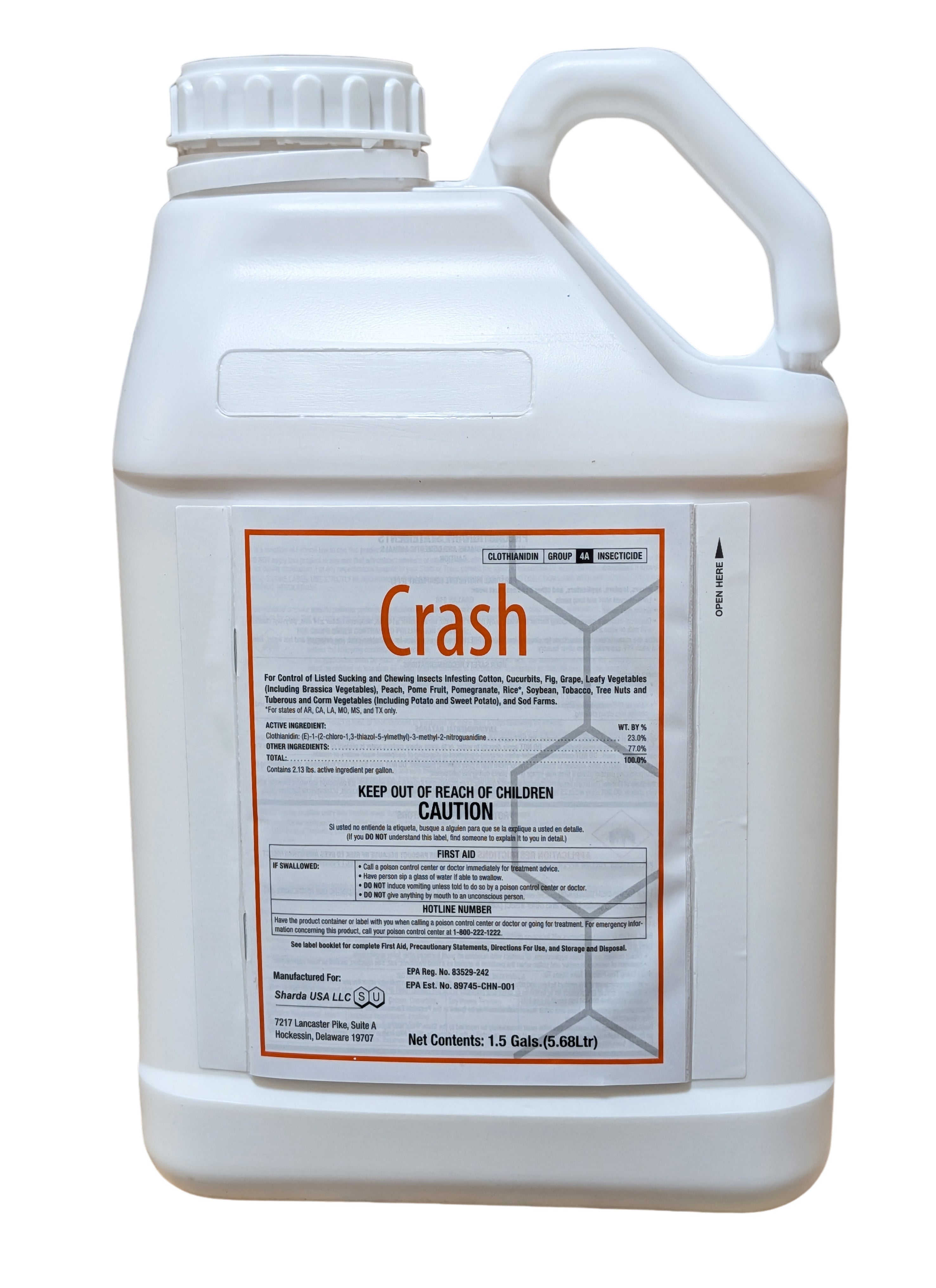
Crash SC Insecticide bottle (1.5 gal)
Sale price$367.20
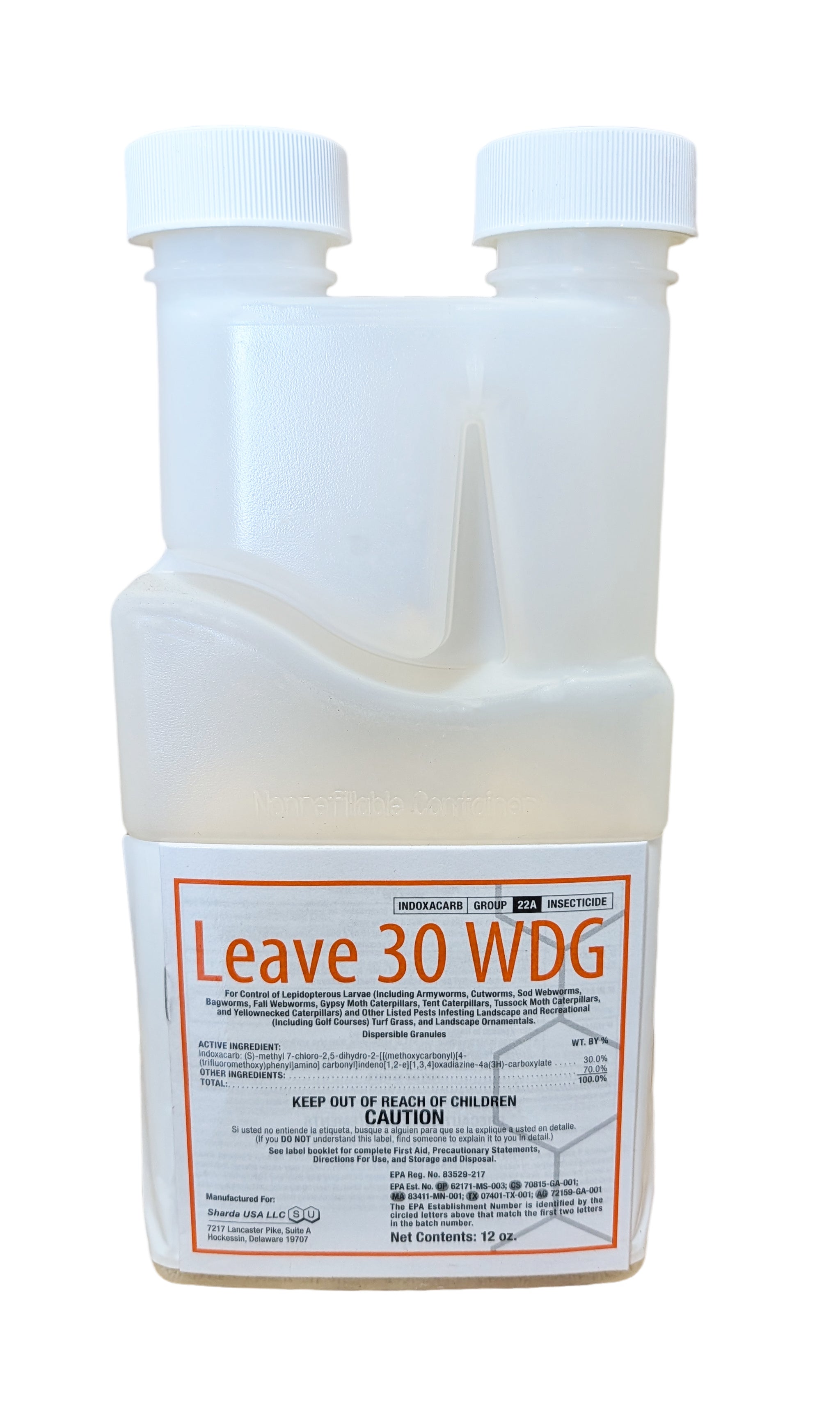
Leave 30 WDG Insecticide bottle (12 oz)
Sale price$91.55
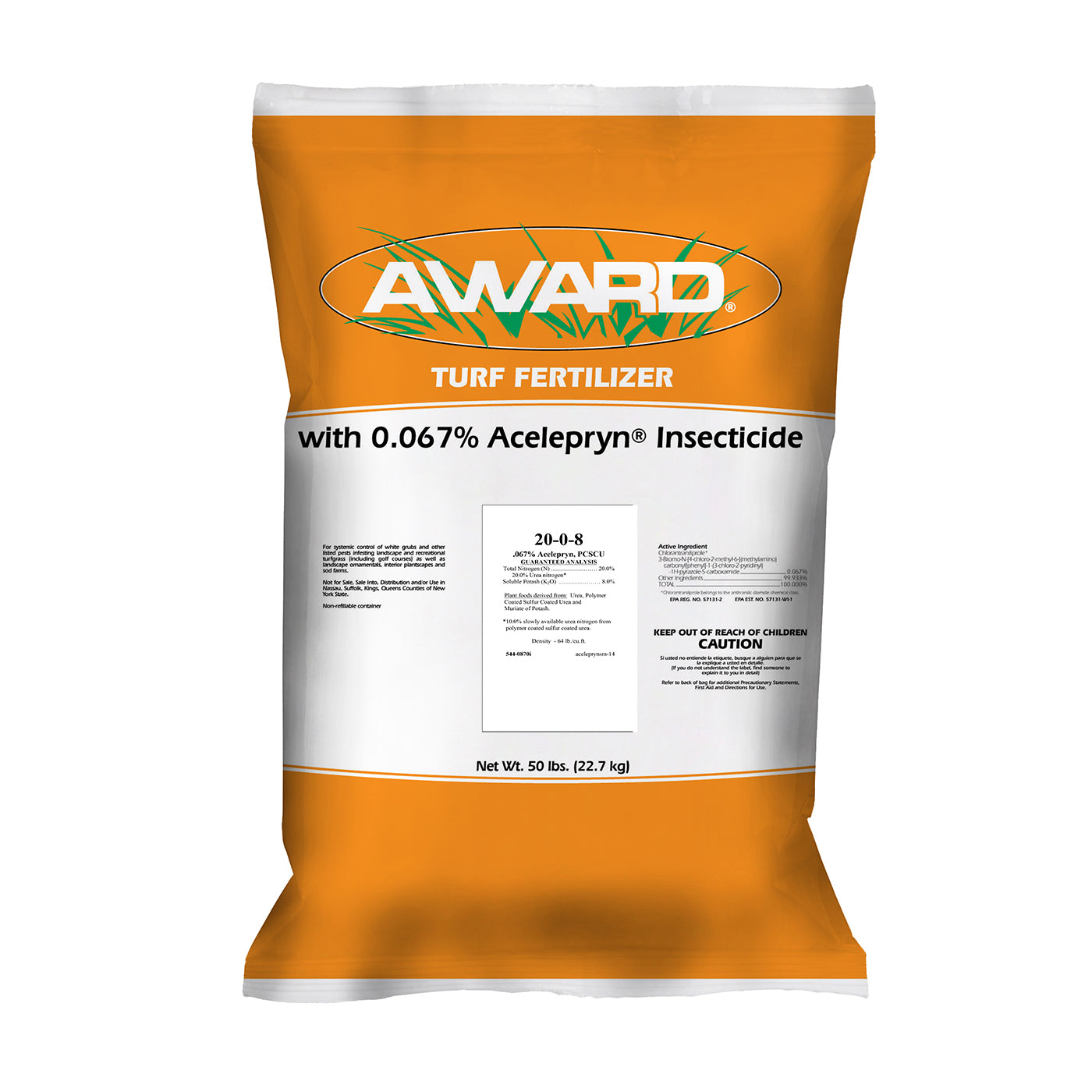
20-0-8 fertilizer with 0.067% Acelepryn bag (50 lbs)
Sale price$46.79
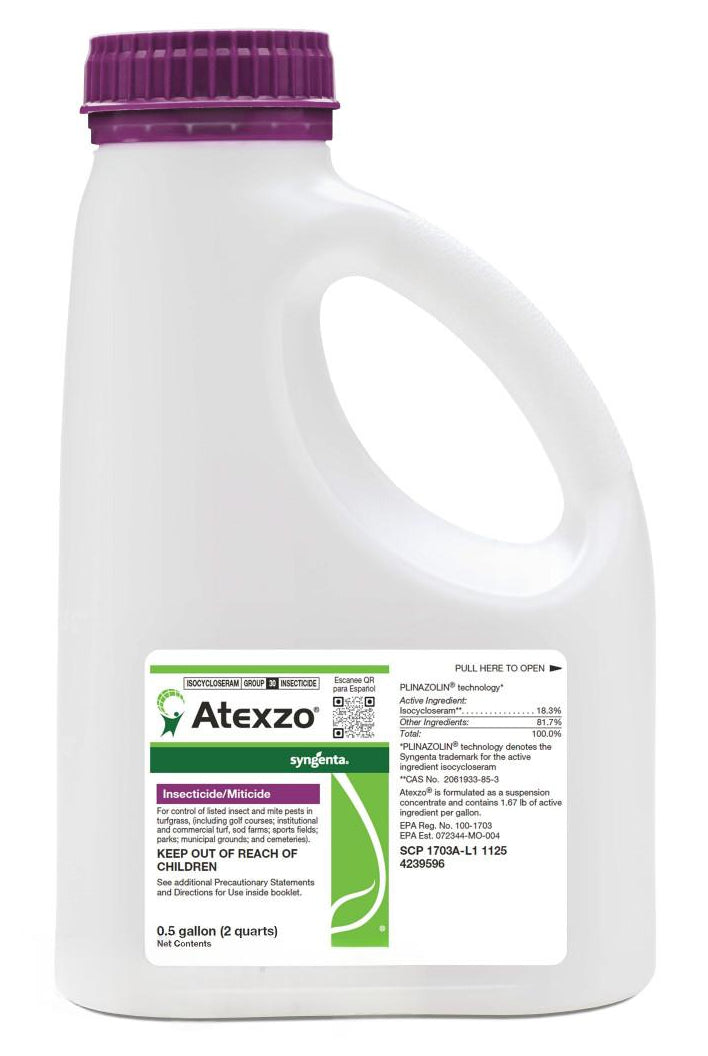

Atexzo Insecticide/Miticide bottle (64 oz)
Sale price$1,062.00
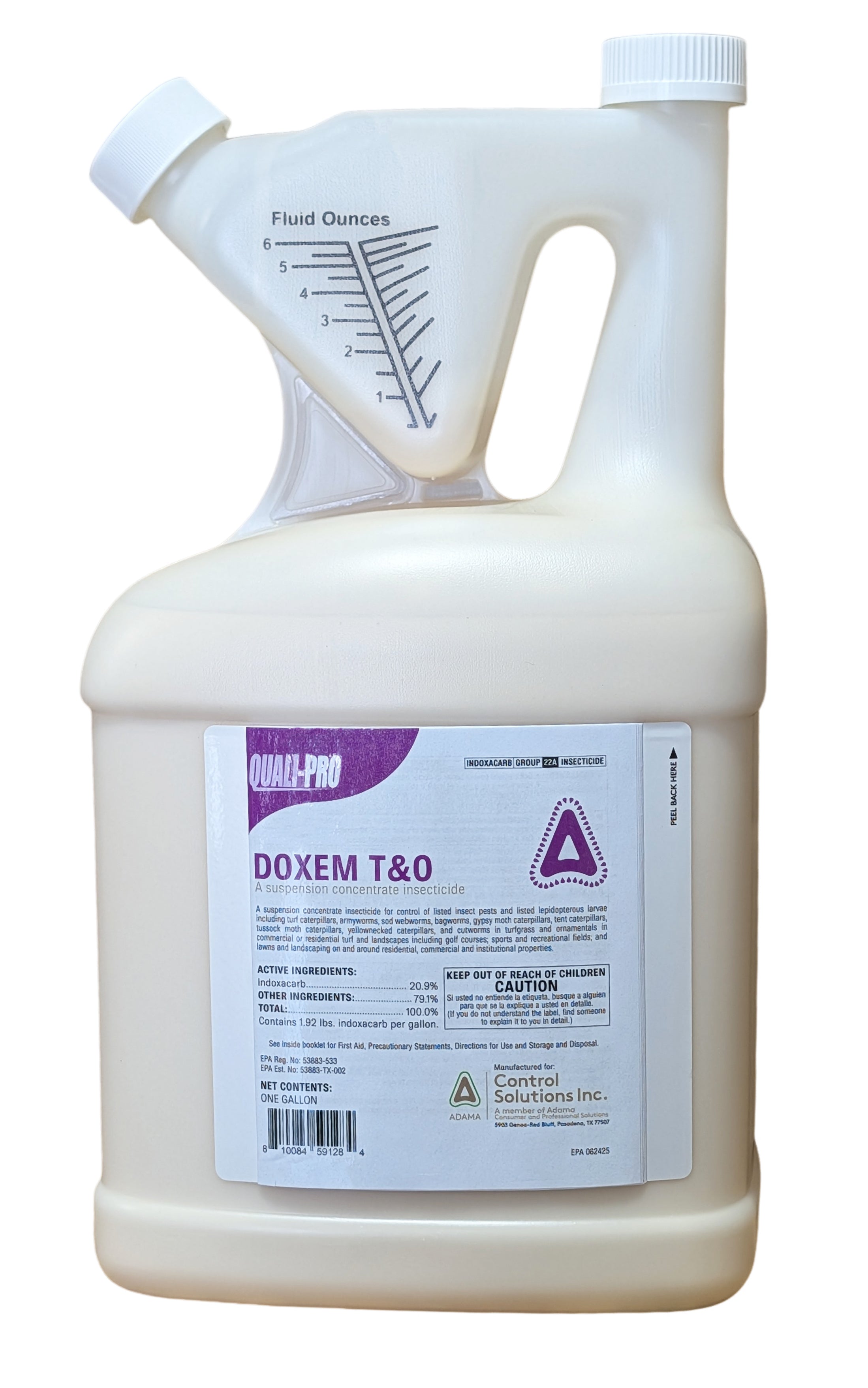
Doxem T&O Insecticide gallon (128 oz)
Sale price$750.00
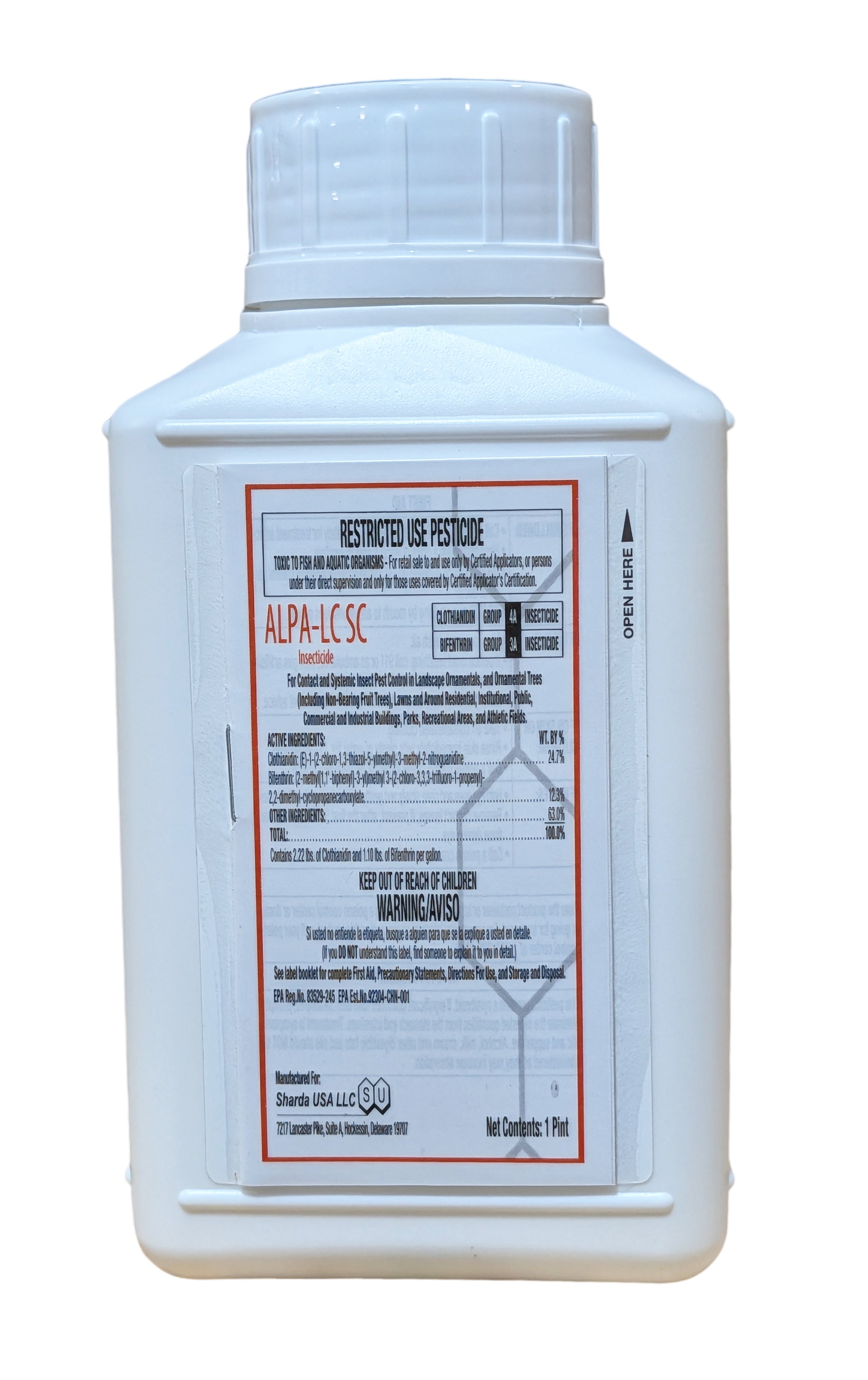
Alpa-LC SC Insecticide pint (16 oz)
Sale price$253.98
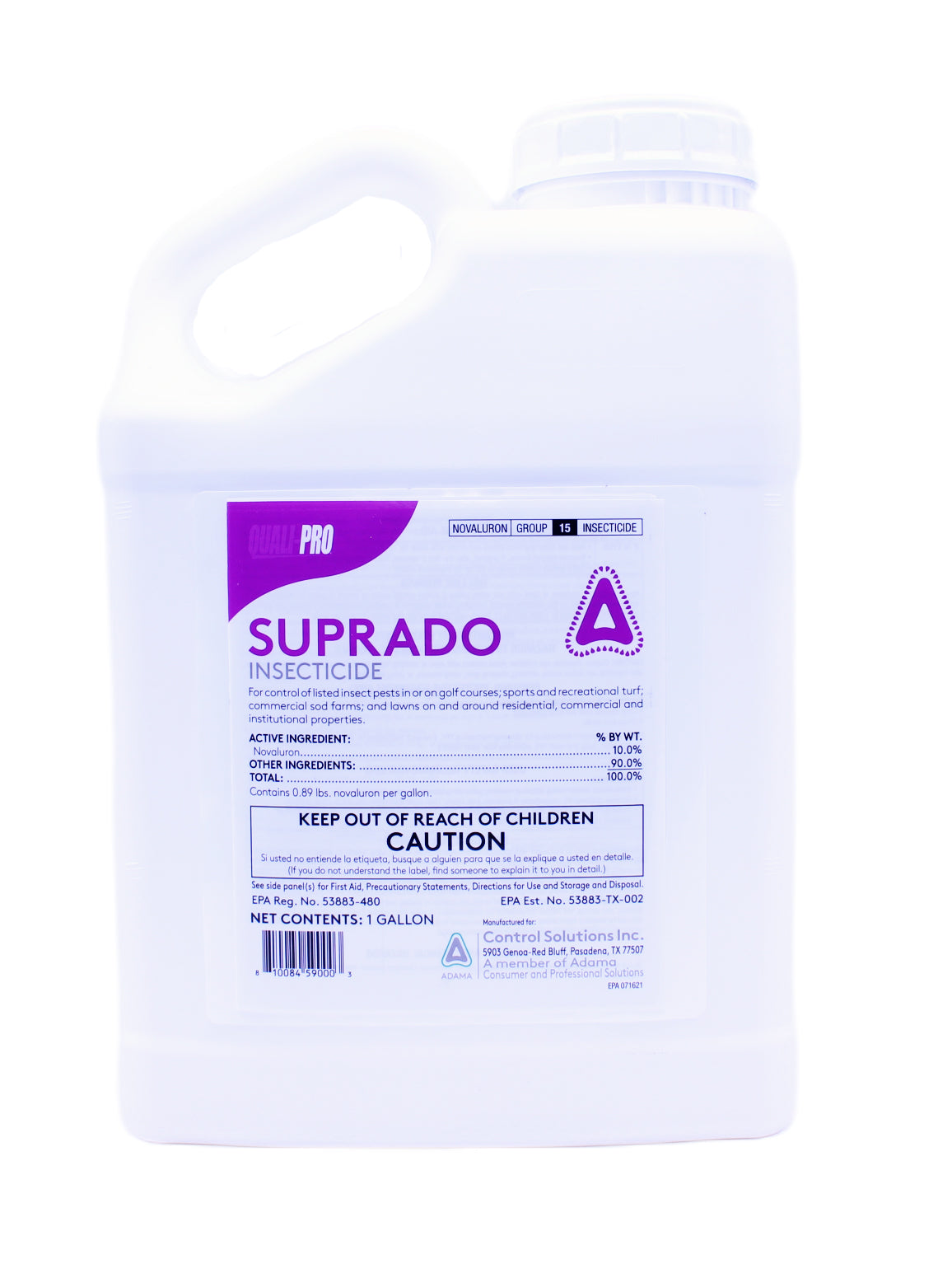
Suprado Insecticide jug (2.5 gal)
Sale price$795.00
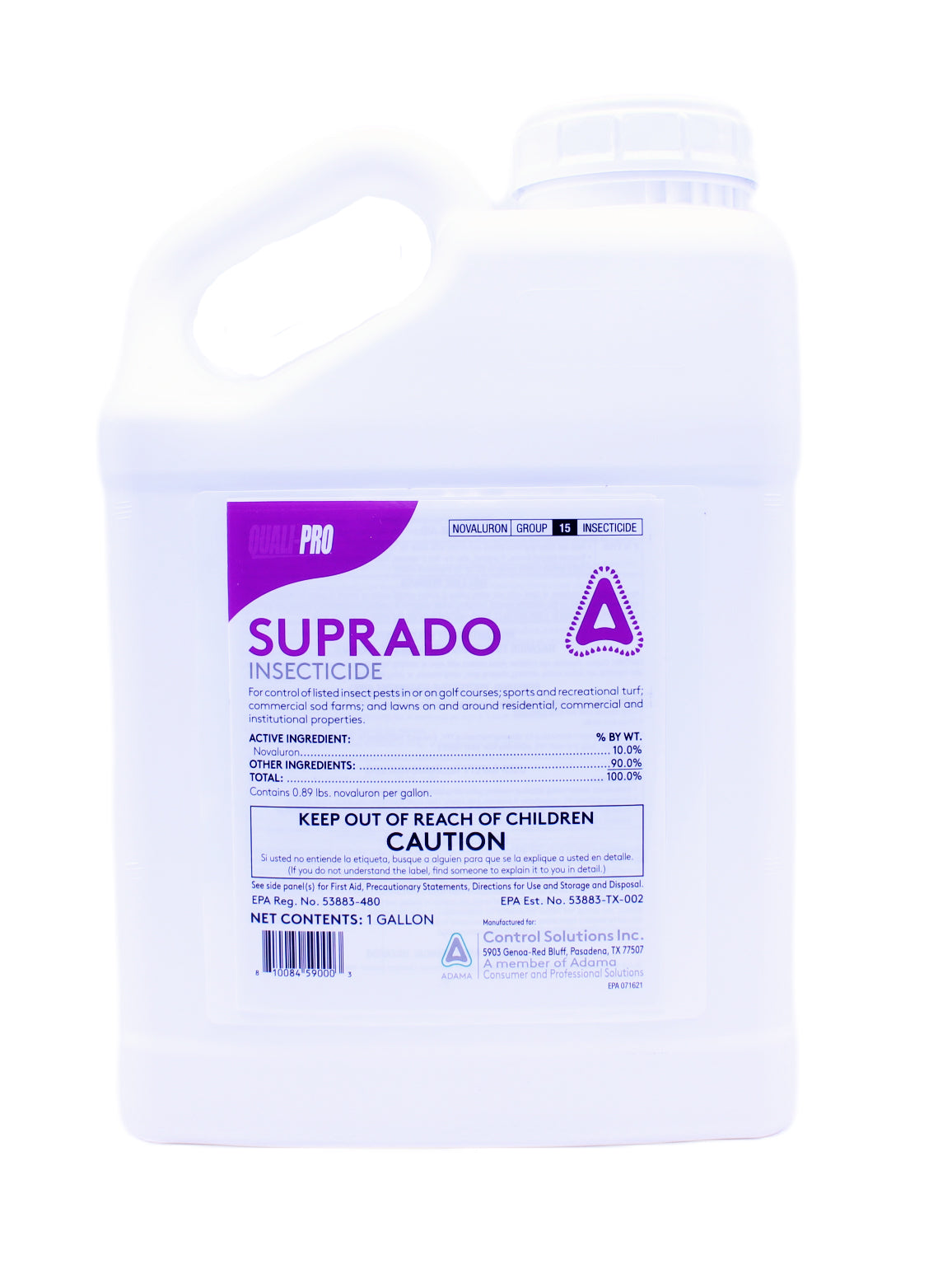
Suprado Insecticide gallon (128 oz)
Sale price$350.00
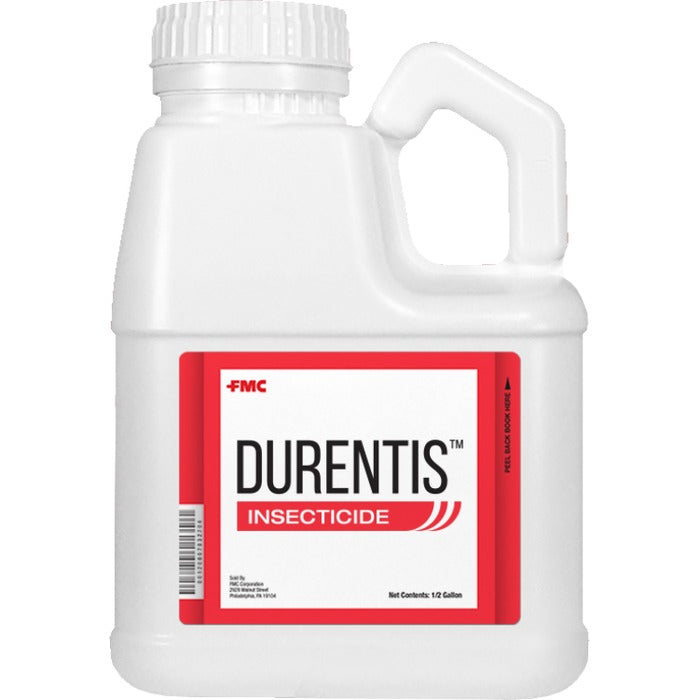
Durentis Insecticide bottle (64 oz)
Sale price$2,470.40
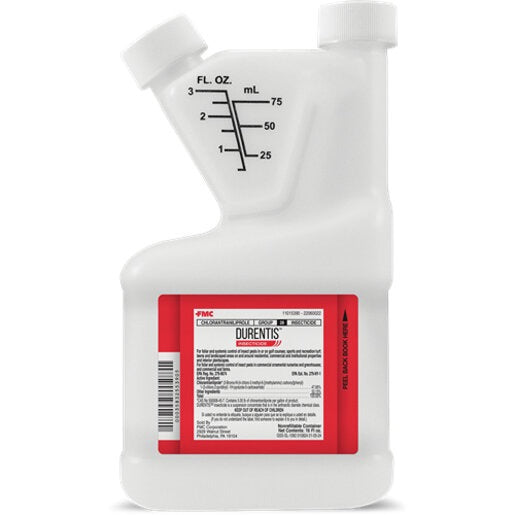
Durentis Insecticide pint (16 oz)
Sale price$658.72
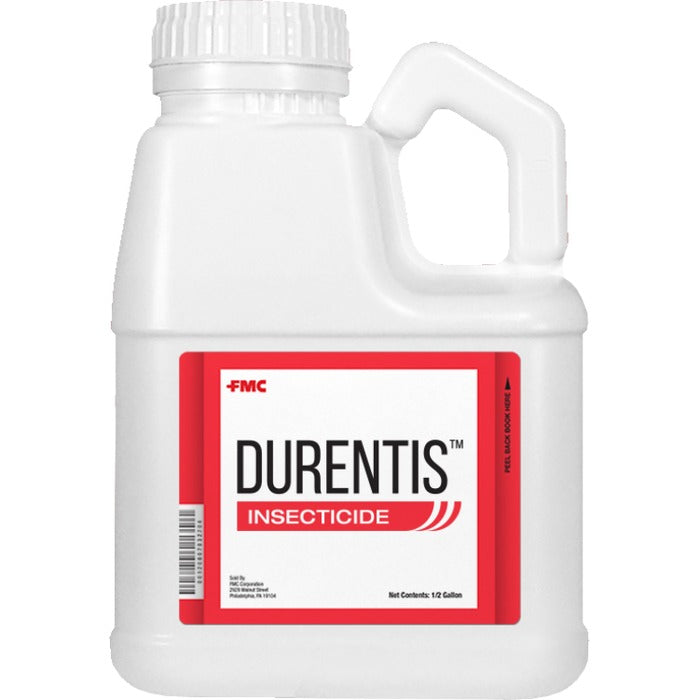
Durentis Insecticide
Starting at:
$658.72
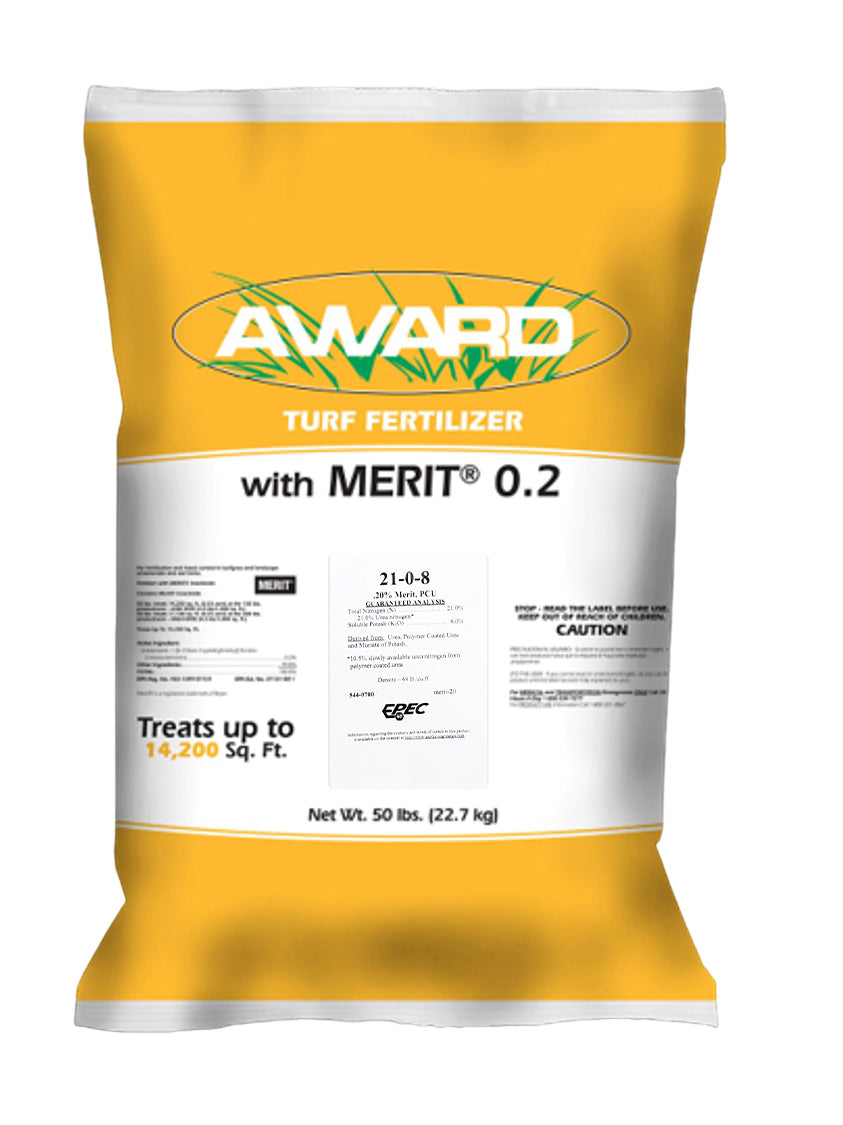
21-0-8 Fertilizer with 0.2% Merit bag (50 lbs)
Sale price$40.55
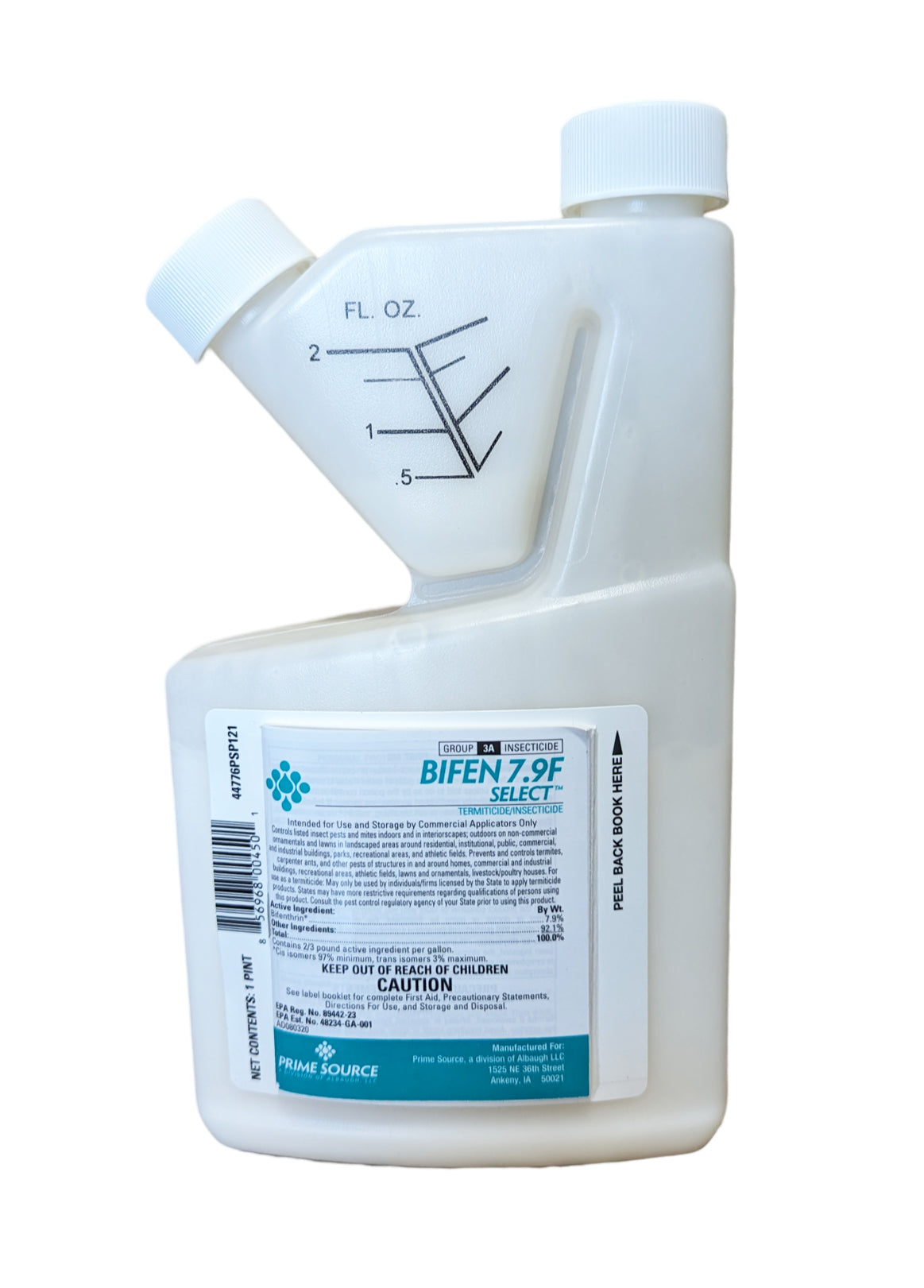
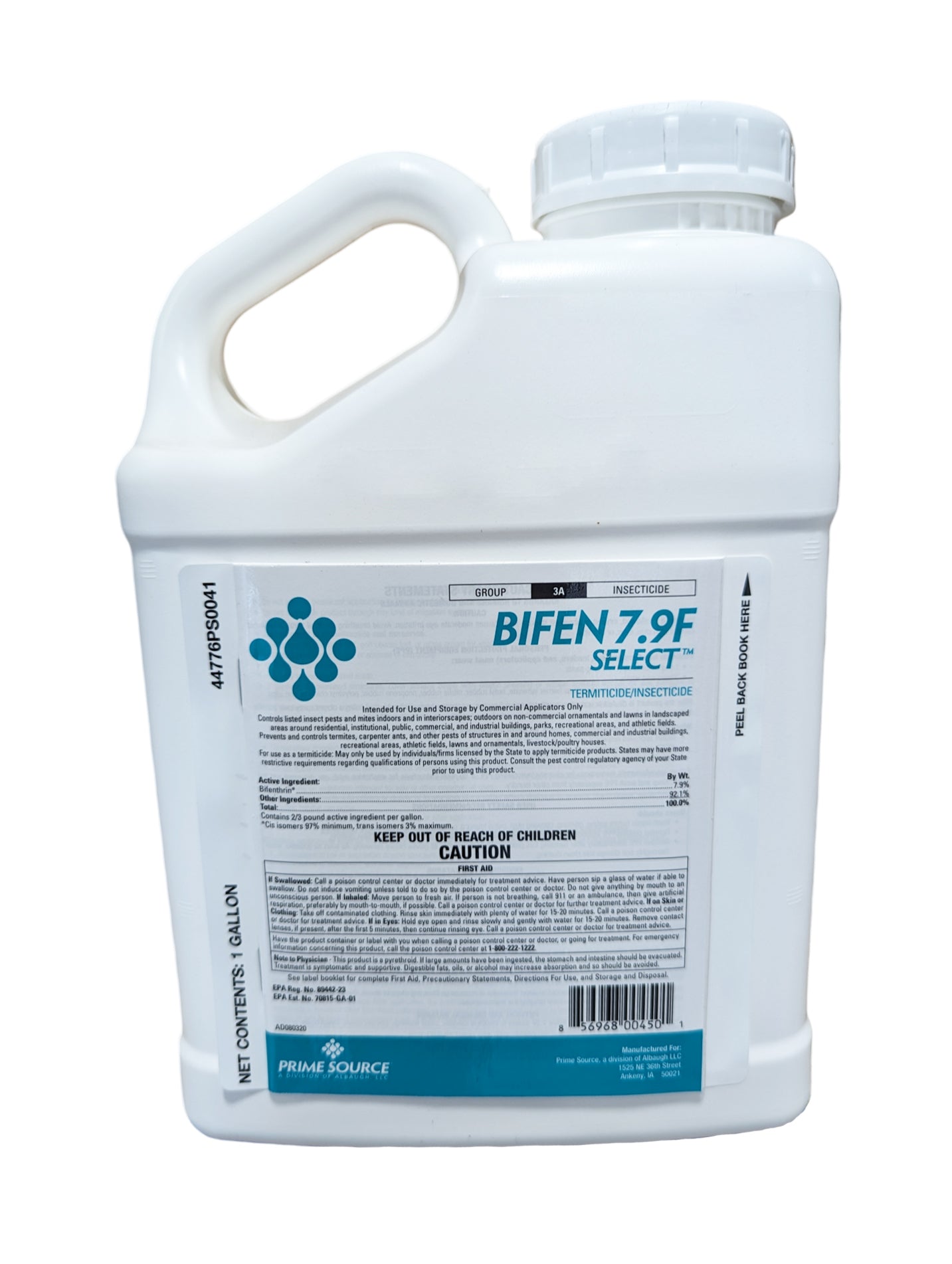
Bifen 7.9F Select pint (16 oz)
Sale price$22.45
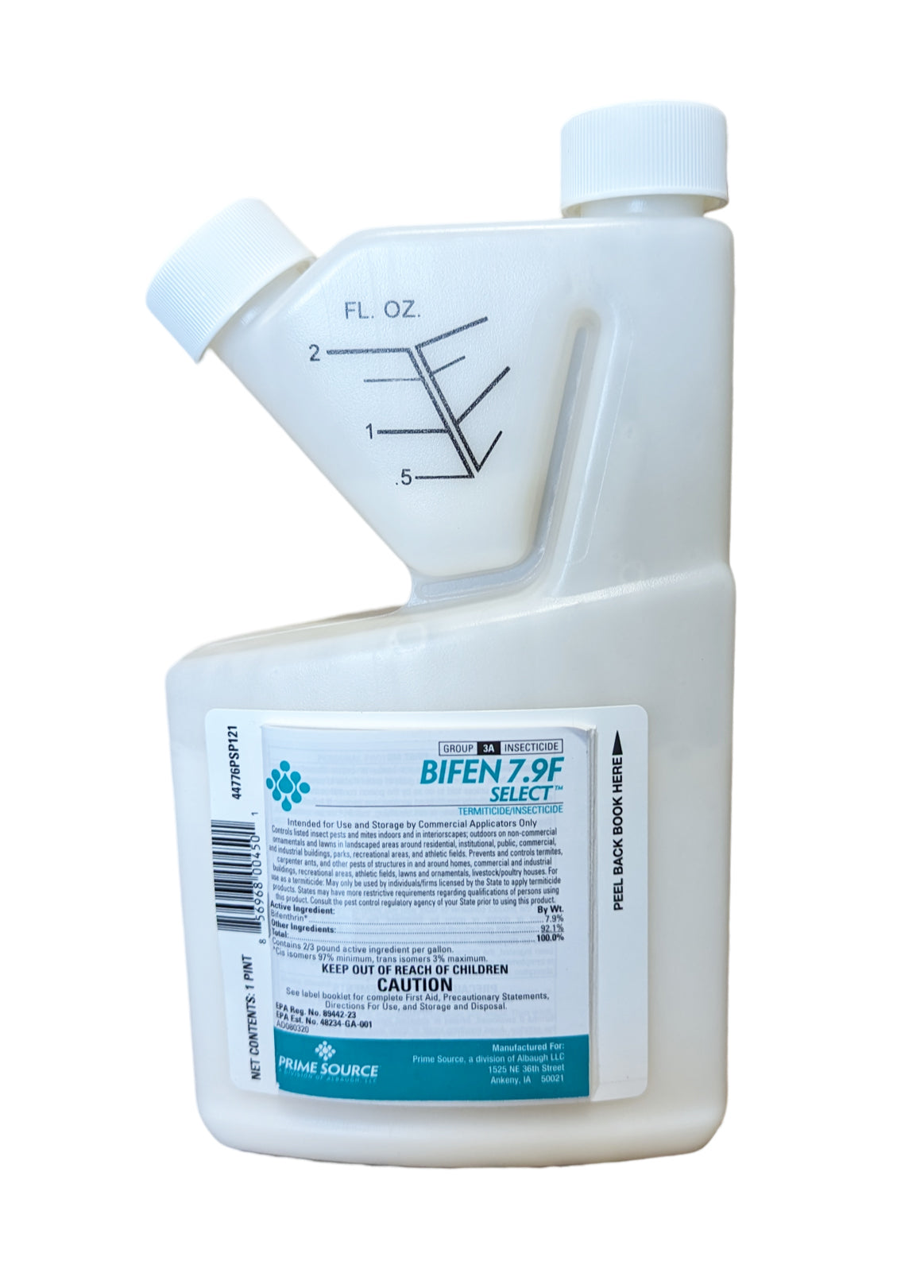
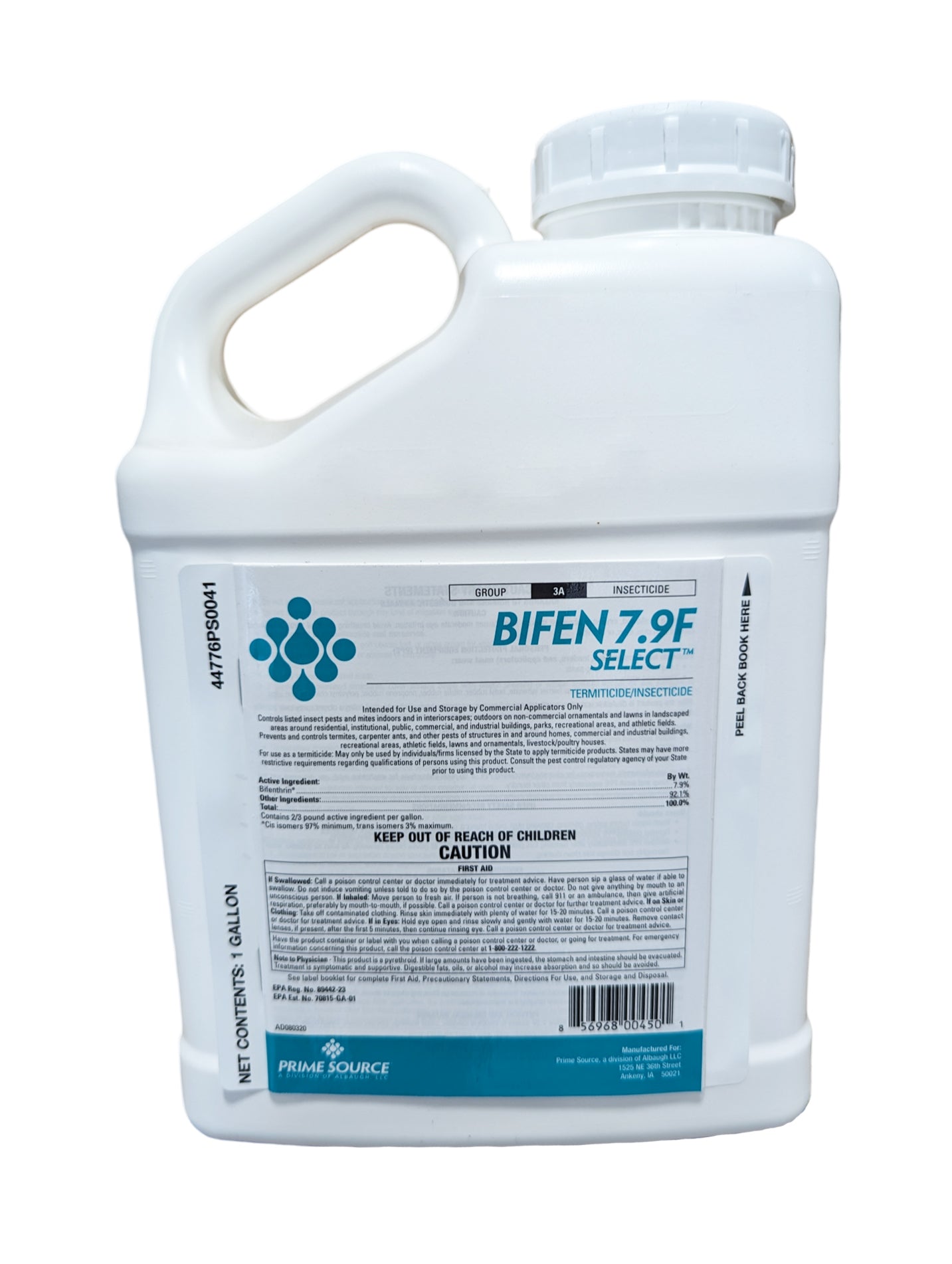
Bifen 7.9F Select Insecticide / Termiticide
Starting at:
$22.45
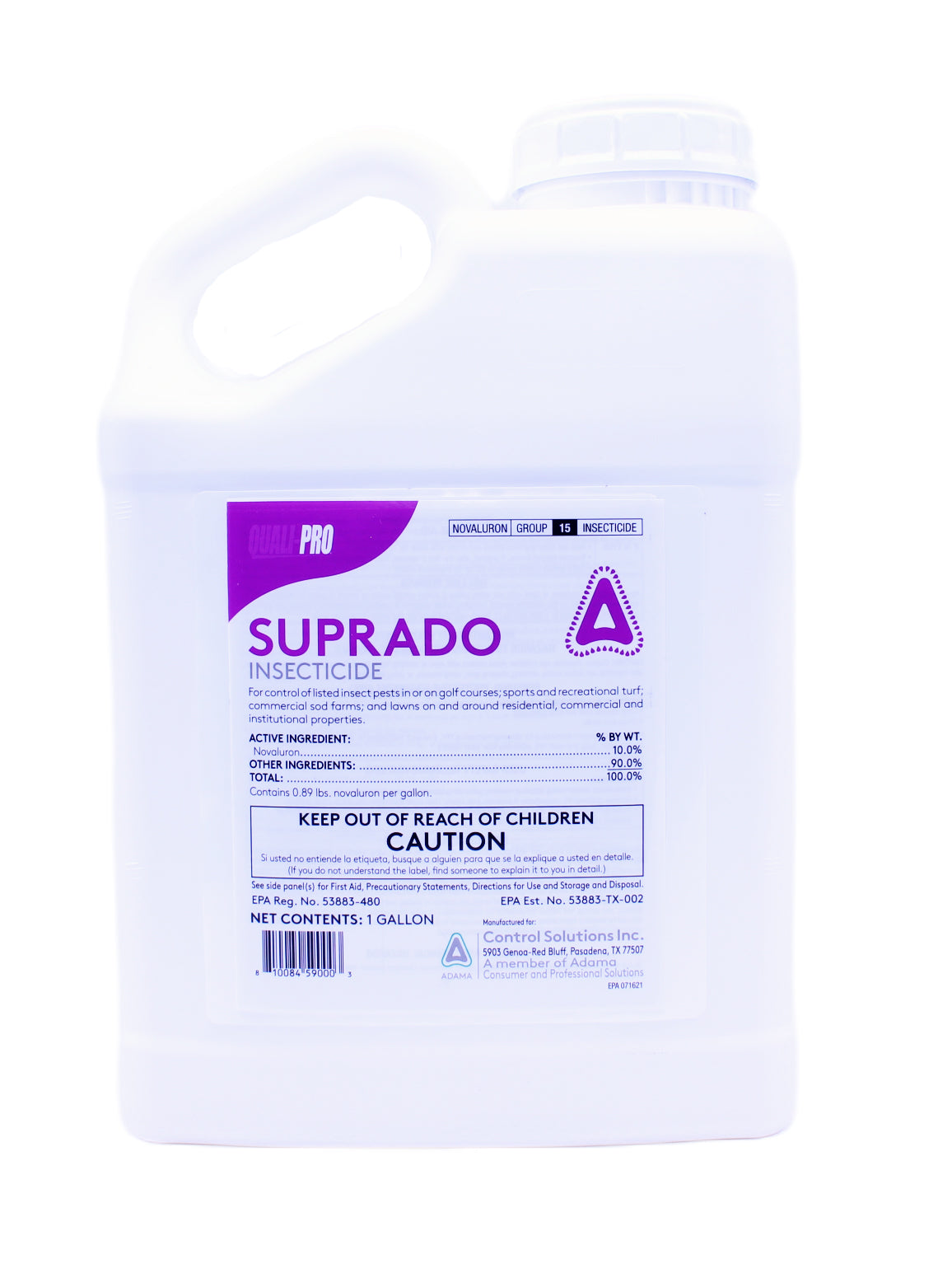
Quali-Pro Suprado Insecticide - Novaluron ABW & Turf Insect Control
Starting at:
$350.00
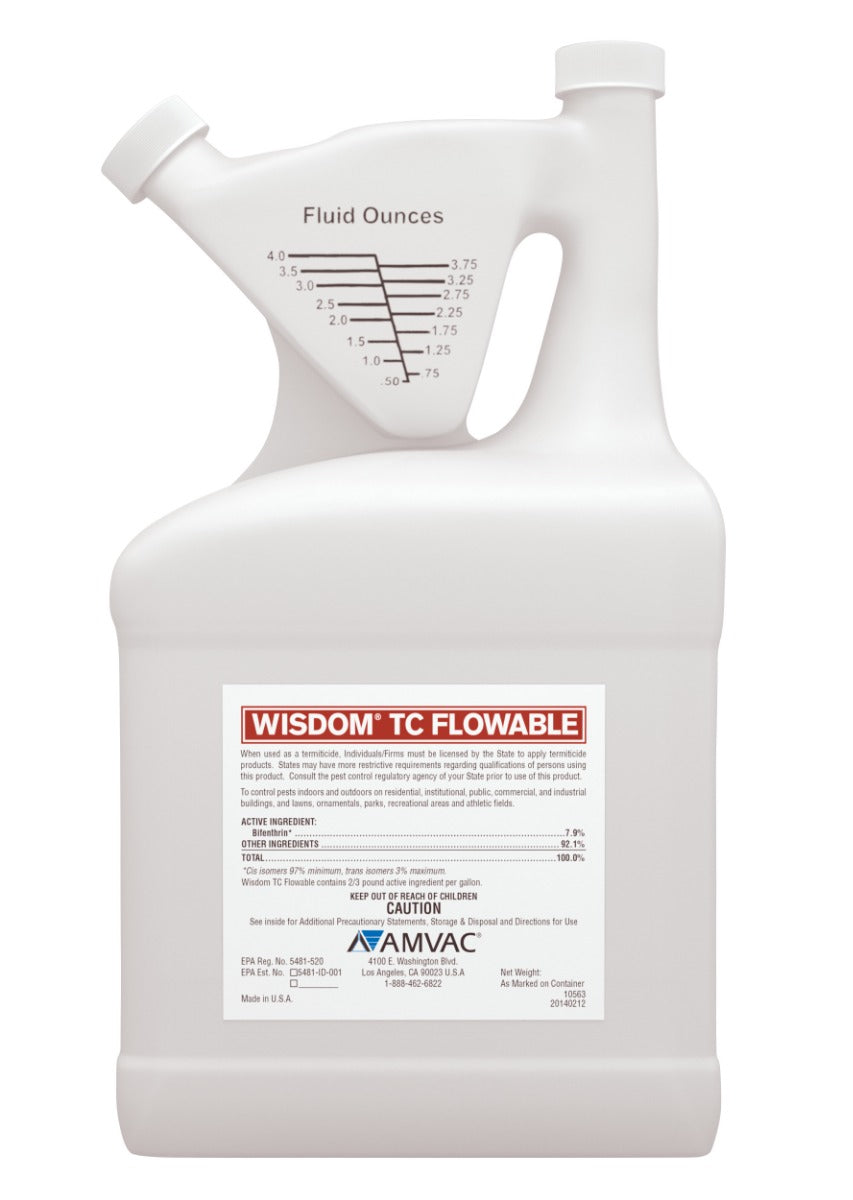
Wisdom TC Flowable Insecticide gallon (128 oz)
Sale price$35.11
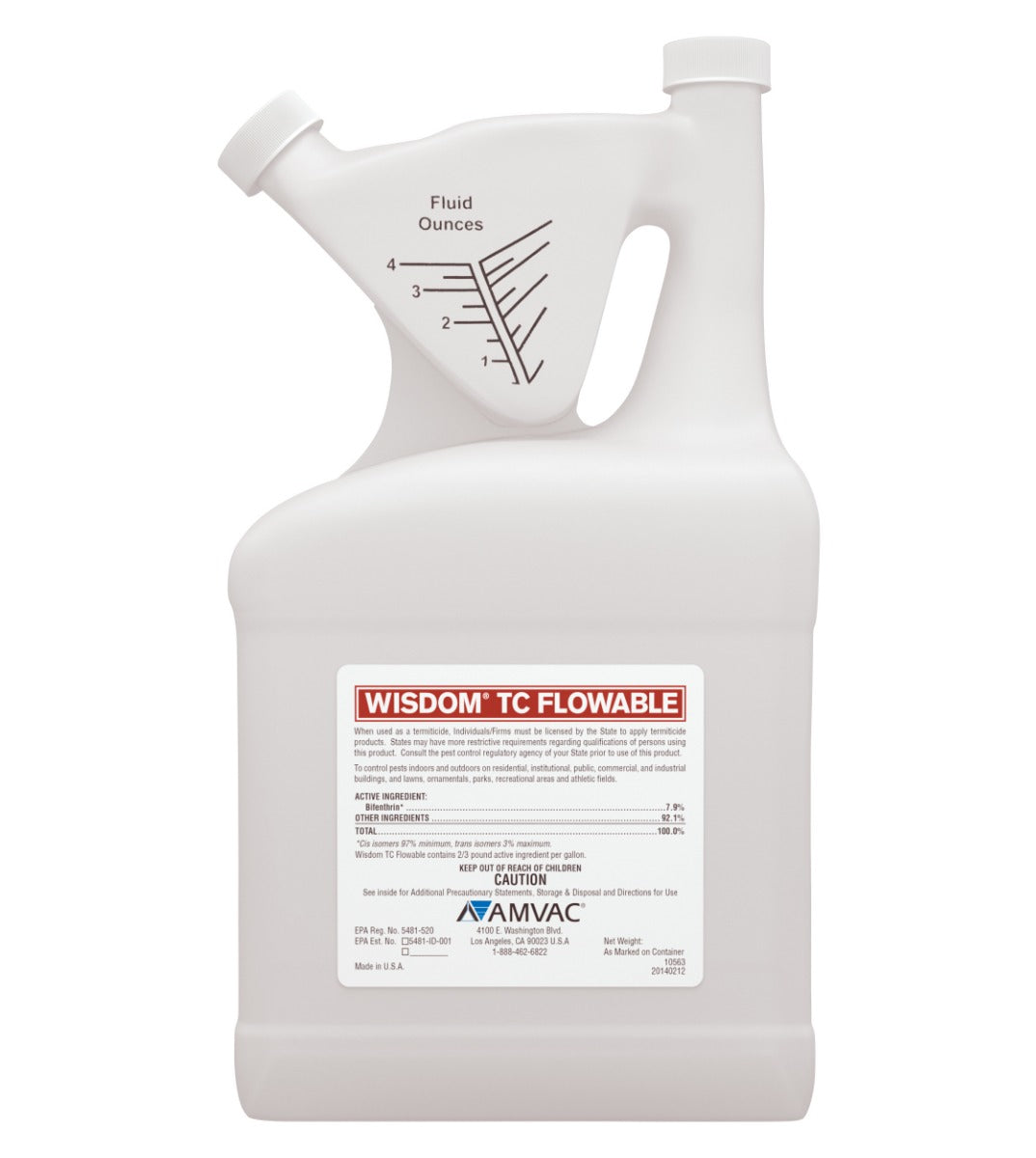
Wisdom TC Flowable Insecticide 3/4 gal (96 oz)
Sale price$40.22
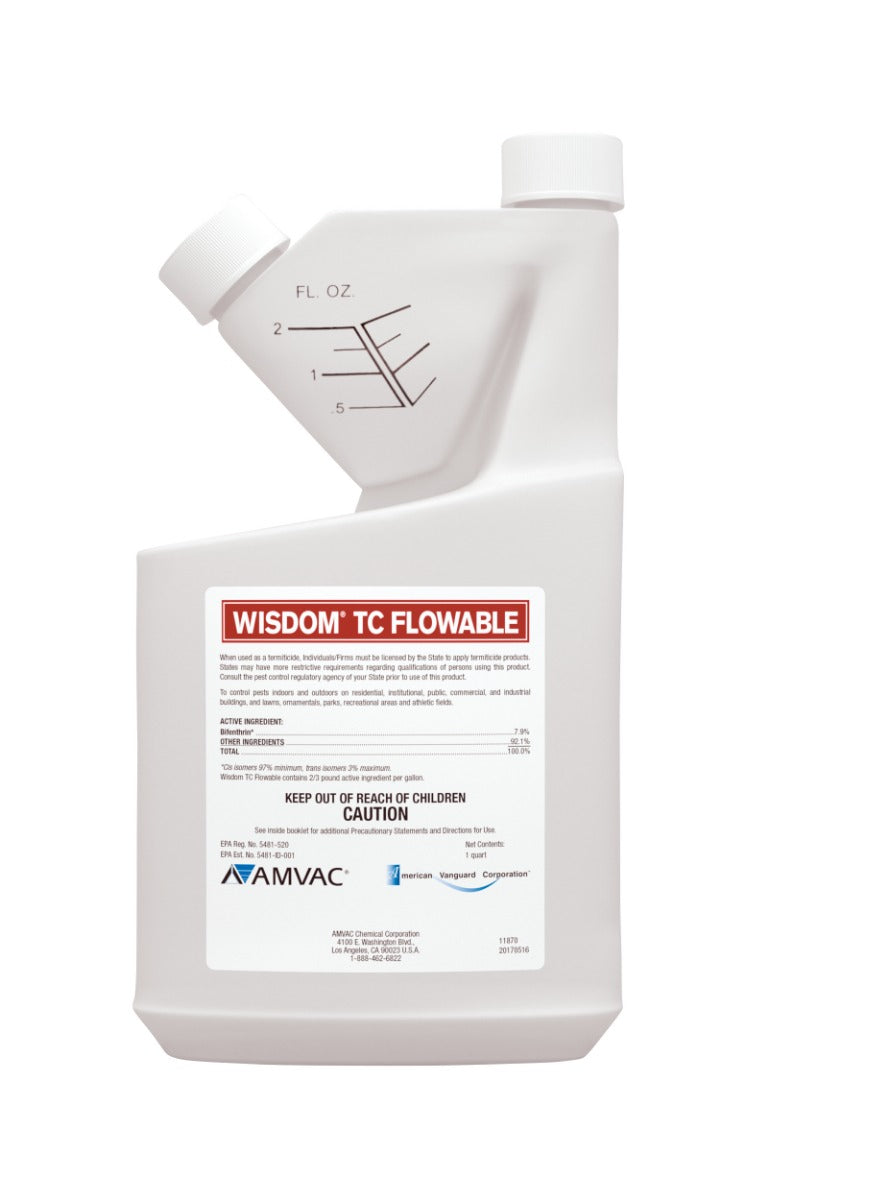
Wisdom TC Flowable Insecticide quart (32 ounces)
Sale price$25.25
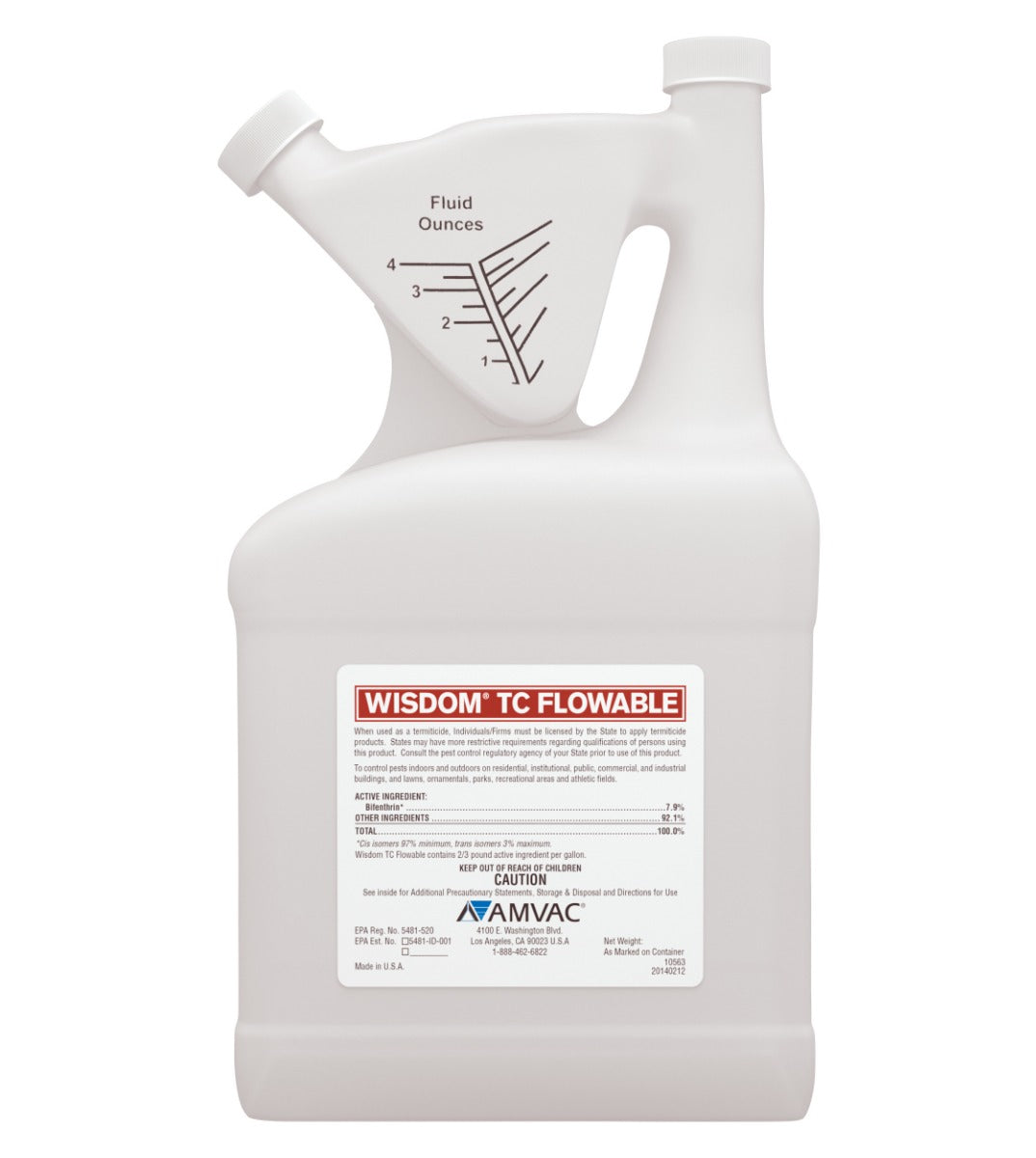
Wisdom TC Flowable Insecticide/Termiticide
Starting at:
$25.25
