Cutworm Control for Turf
74 products
Showing 73 - 74 of 74 products
Cutworms are nocturnal caterpillars that clip leaves and stems around aeration holes, ball marks, and protected turf surfaces. Black cutworm is especially important on golf greens and tees.
How to Recognize Cutworms
Damage appears as small pockmarks, depressed spots, or irregular closely grazed areas. Birds probing at dawn, frass near aeration holes, and larvae found with a soap flush are useful clues.
Why Damage Develops
Adult moths migrate into turf areas and lay eggs on vegetation. Clippings, thatch, aeration holes, and dense low-cut turf provide shelter, while repeated generations can occur during warm months.
Reduce Pest Pressure
- Scout the turf and confirm the pest before treating.
- Correct irrigation, fertility, mowing, thatch, or compaction problems that weaken roots and crowns.
- Treat the susceptible life stage and preserve beneficial insects where practical.
What University Research and Extension Guidance Says
Extension recommendations focus on evening or early-morning scouting and treating young larvae before they retreat deeply into thatch or aeration holes. Clipping removal after mowing can also reduce eggs and newly hatched larvae on putting surfaces.
Choosing and Timing a Turf Treatment
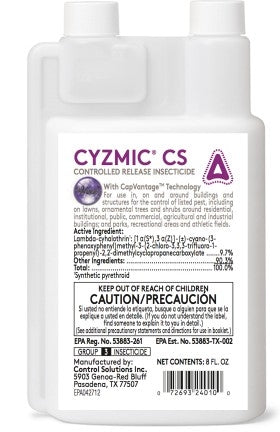
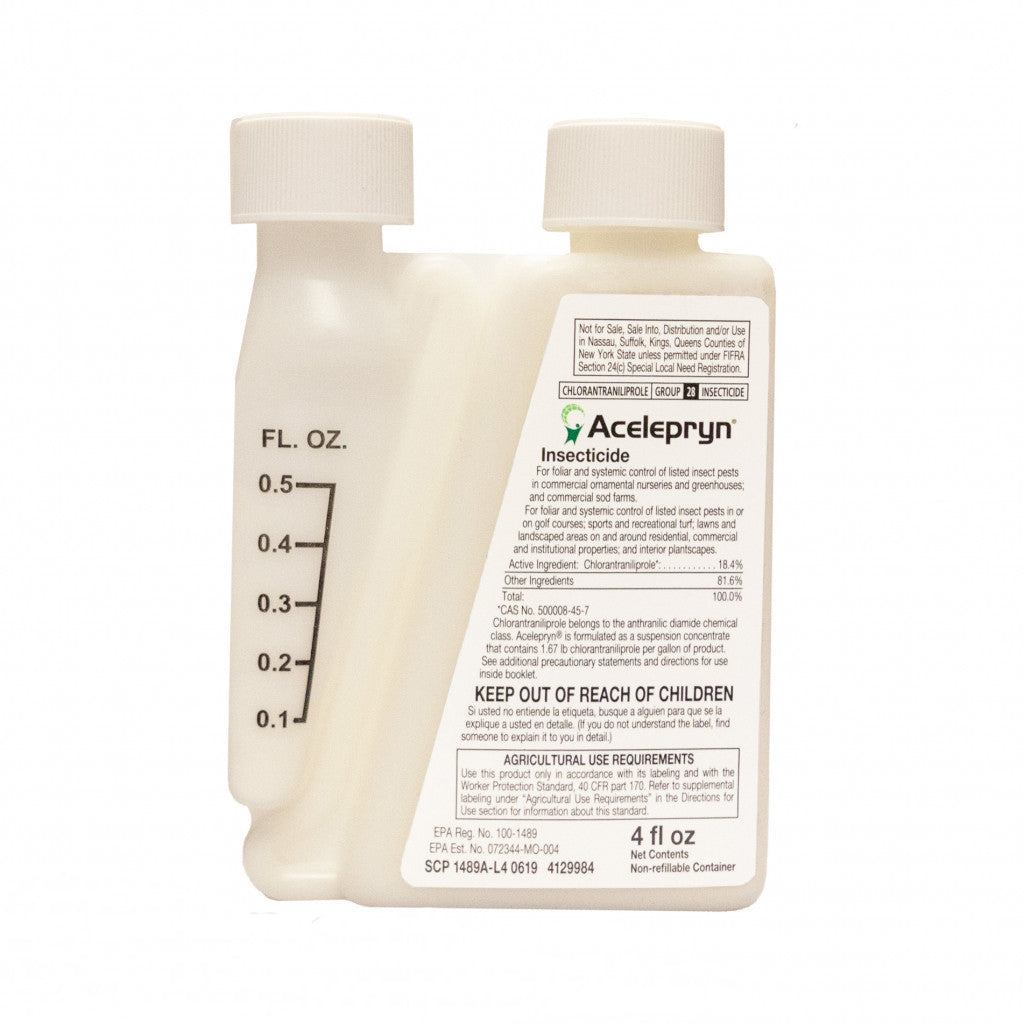
Use the products below as a starting point, then select a product labeled for the turf site and target pest. Match the application to the vulnerable life stage, place the material where the pest is feeding, and follow watering-in directions when treatment must reach the crown or root zone.
Research and label note: Research results help explain pest biology, timing, and product performance, but they do not expand a product label. Confirm the turf species, use site, target pest or nematode, life stage, rate, irrigation directions, and application interval on the current label before use.
University sources: NC State Extension: Arthropod Pests of North Carolina Turf; NC State Extension: Pest Control for Professional Turfgrass Managers.