
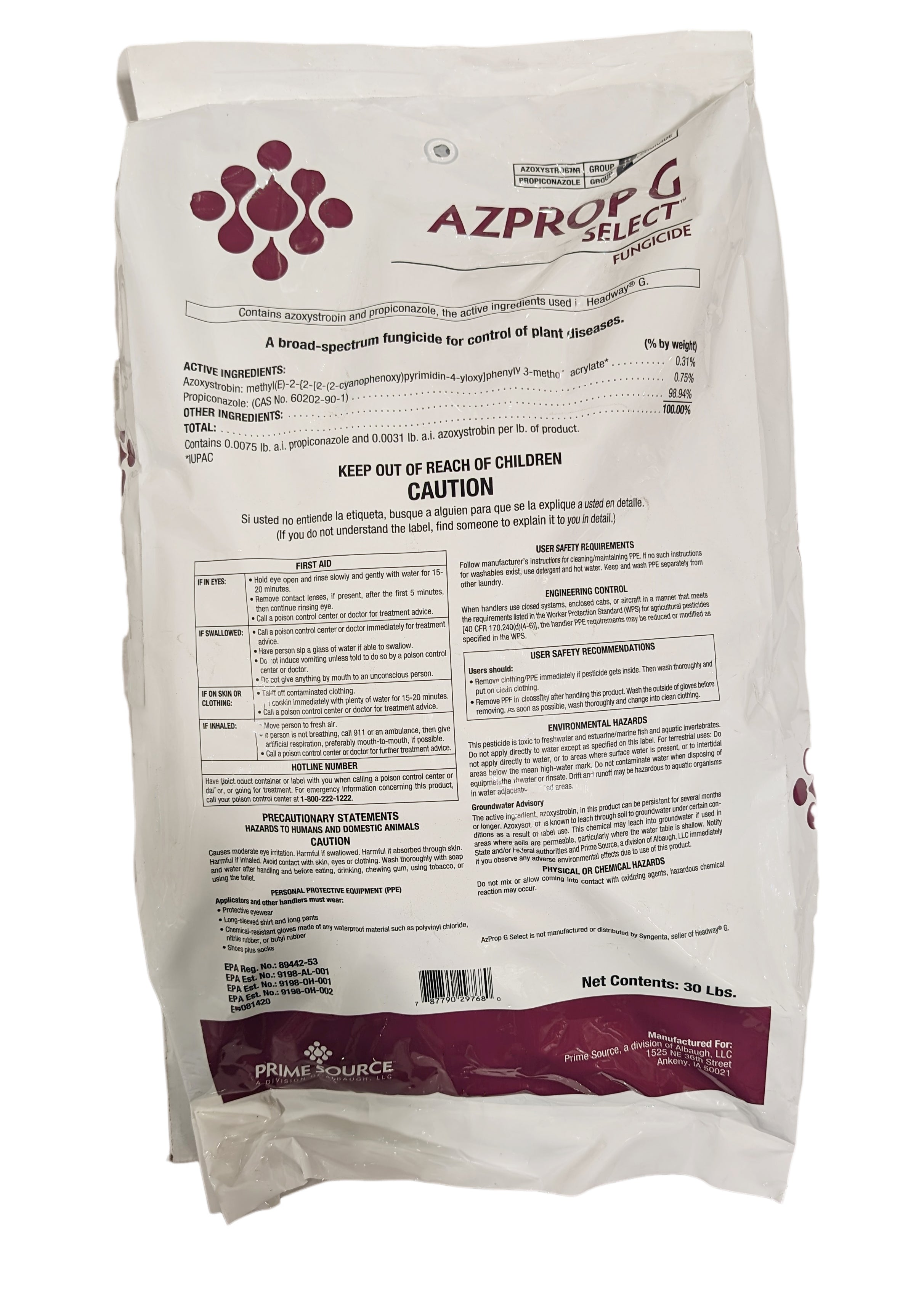
Azprop G Select bag (30 lbs)
Sale price$48.13
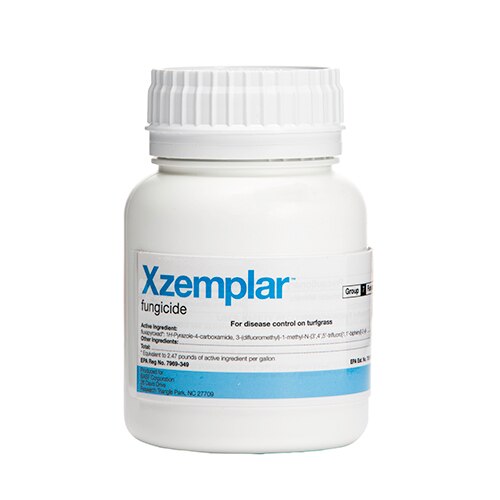
Xzemplar Fungicide bottle (11.4 oz)
Sale price$226.06
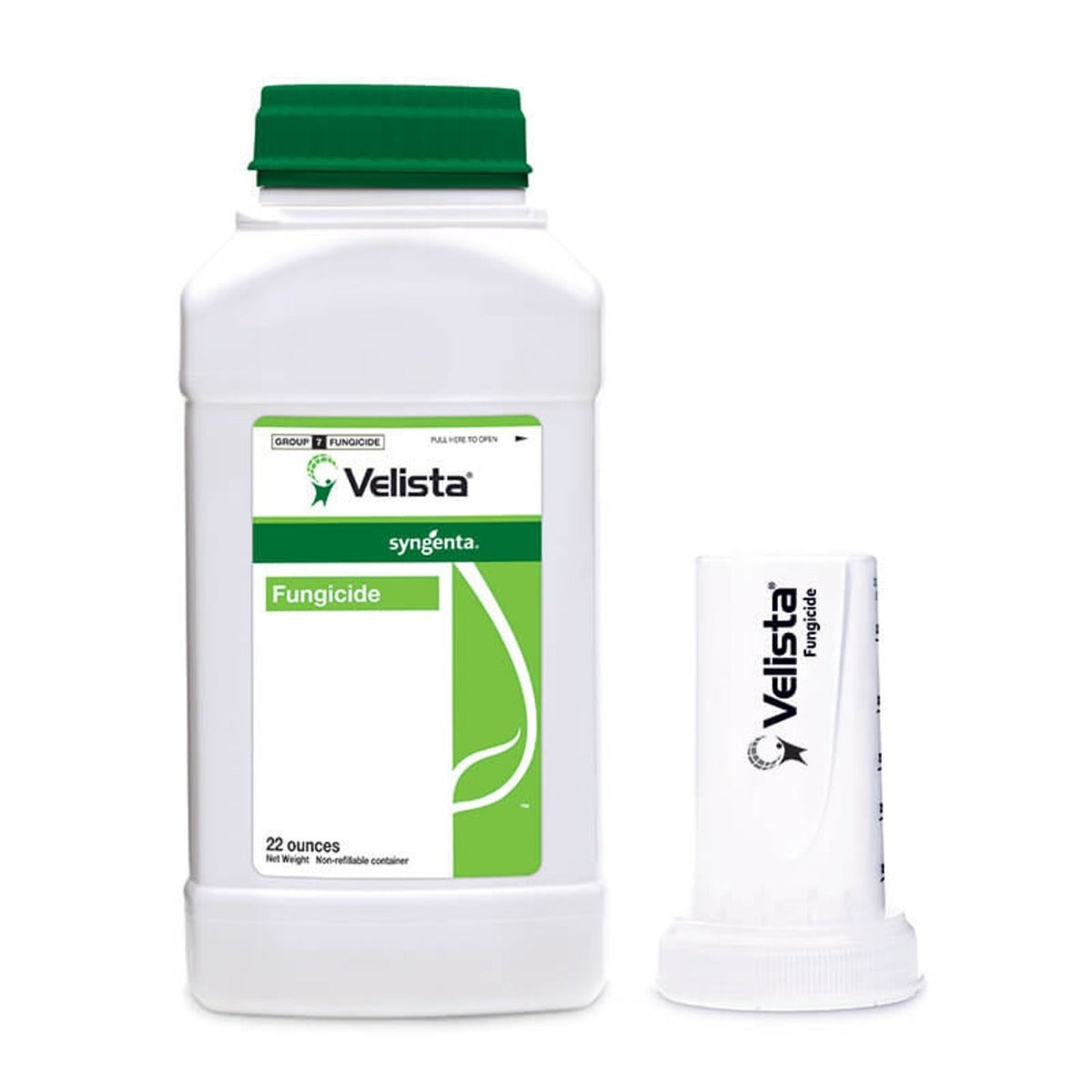
Velista Fungicide bottle (22 oz)
Sale price$308.00
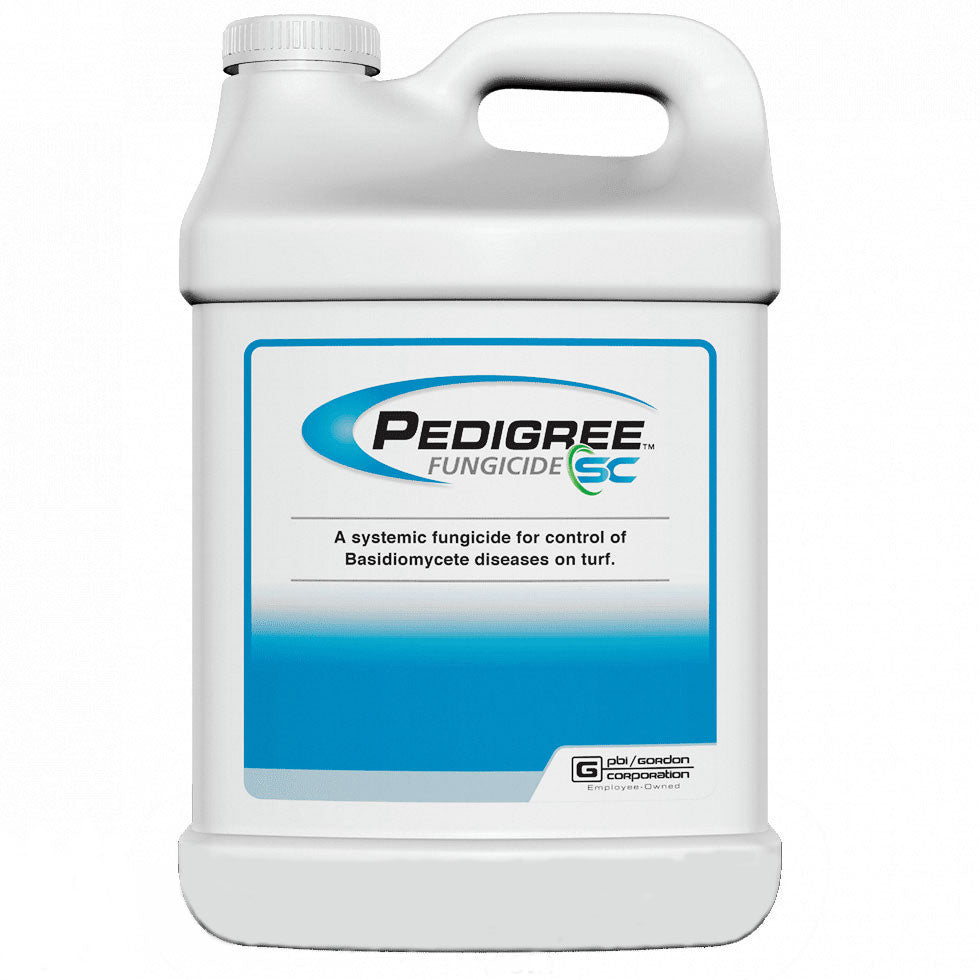
Pedigree Fungicide SC jug (2.5 gallon)
Sale price$935.00
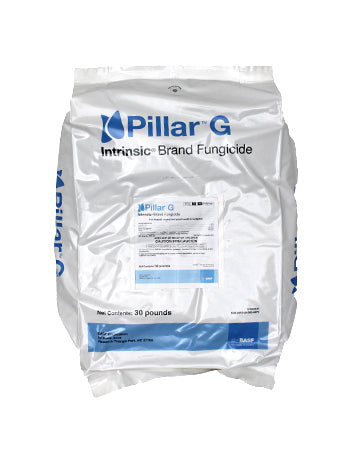
Pillar G Intrinsic Granular Fungicide bag (30 lbs)
Sale price$112.26
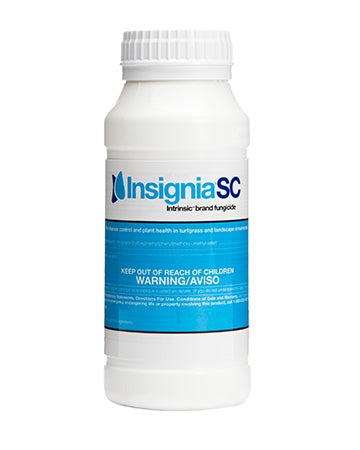
Insignia SC Intrinsic Brand Fungicide bottle (30.5 oz)
Sale price$606.65
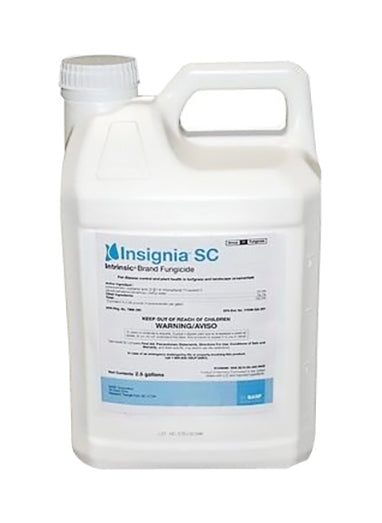
Insignia SC Intrinsic Brand Fungicide jug (2.5 gal)
Sale price$3,947.40
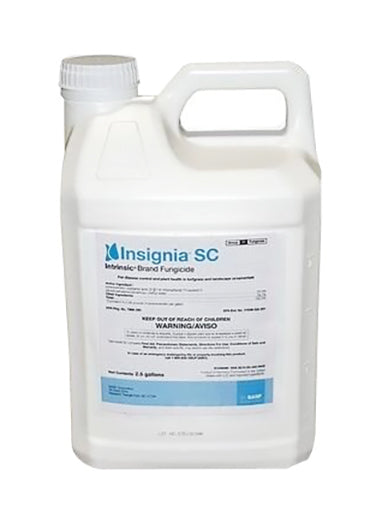
Insignia SC Intrinsic Brand Fungicide
Starting at:
$606.65
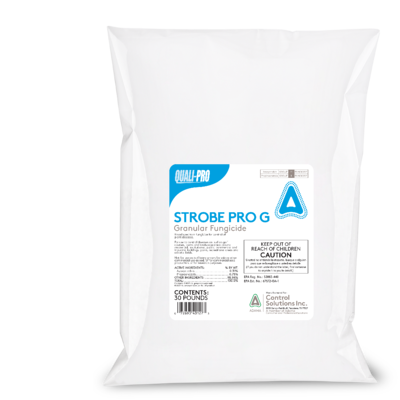
Strobe Pro G Granular Fungicide bag (30 lb)
Sale price$47.19
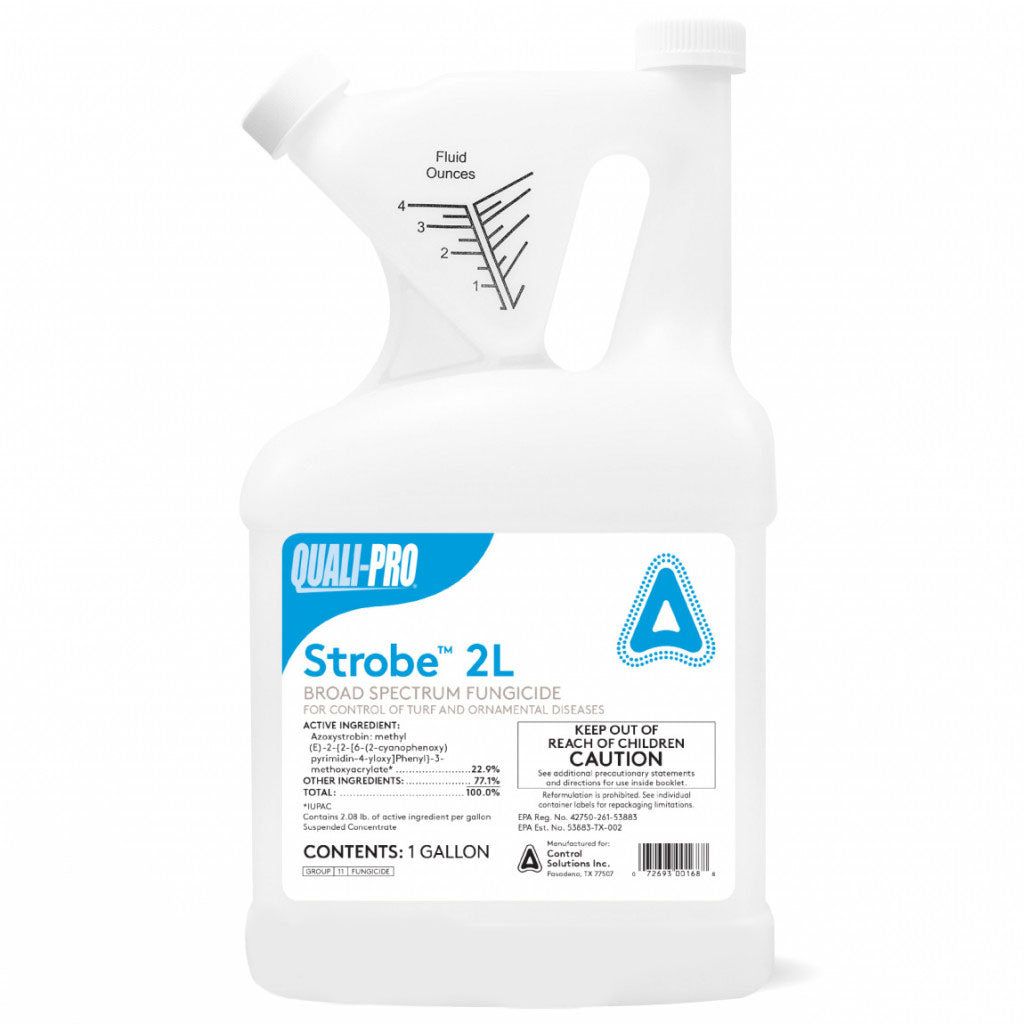
Strobe 2L Broad-Spectrum Fungicide gallon (128 Oz)
Sale price$144.75
Strobe 50WG jug (6 lbs)
Sale price$790.50
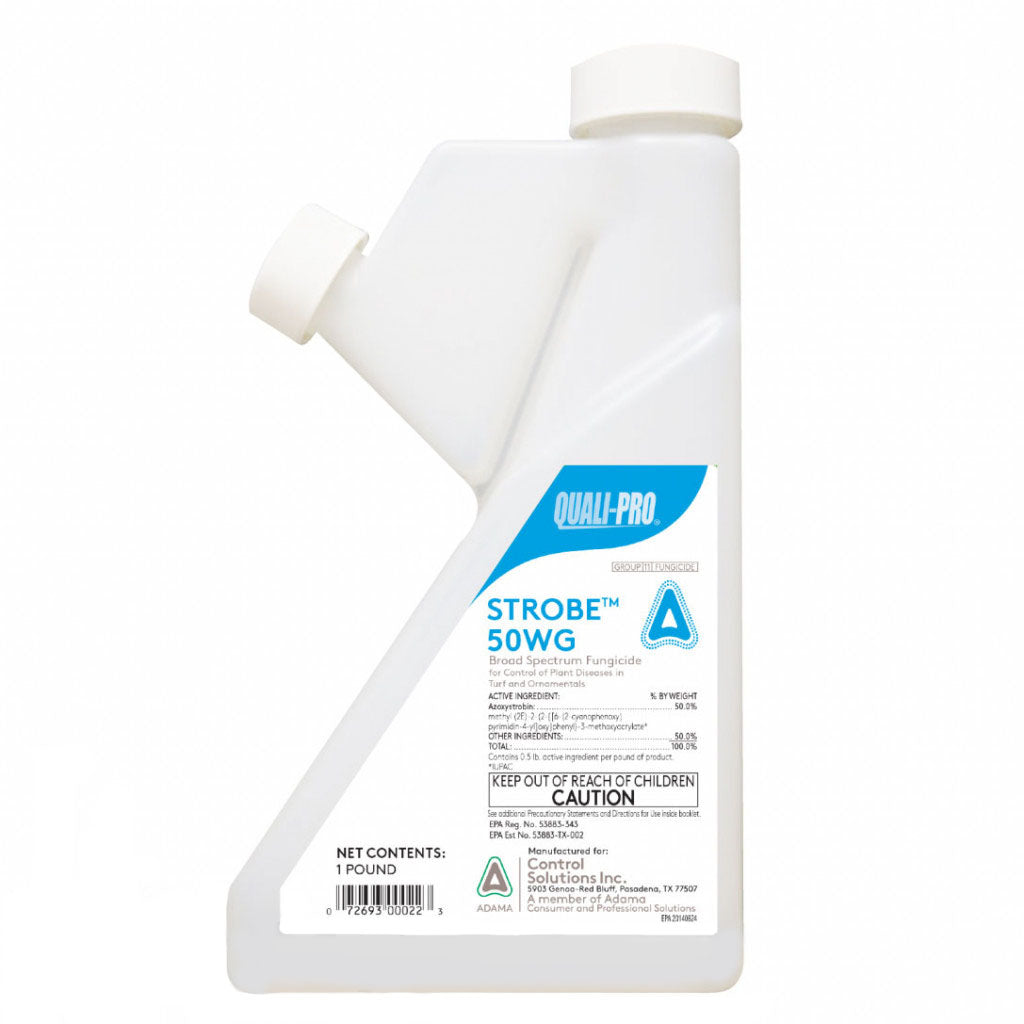
Strobe 50WG jug (1 lb)
Sale price$83.58
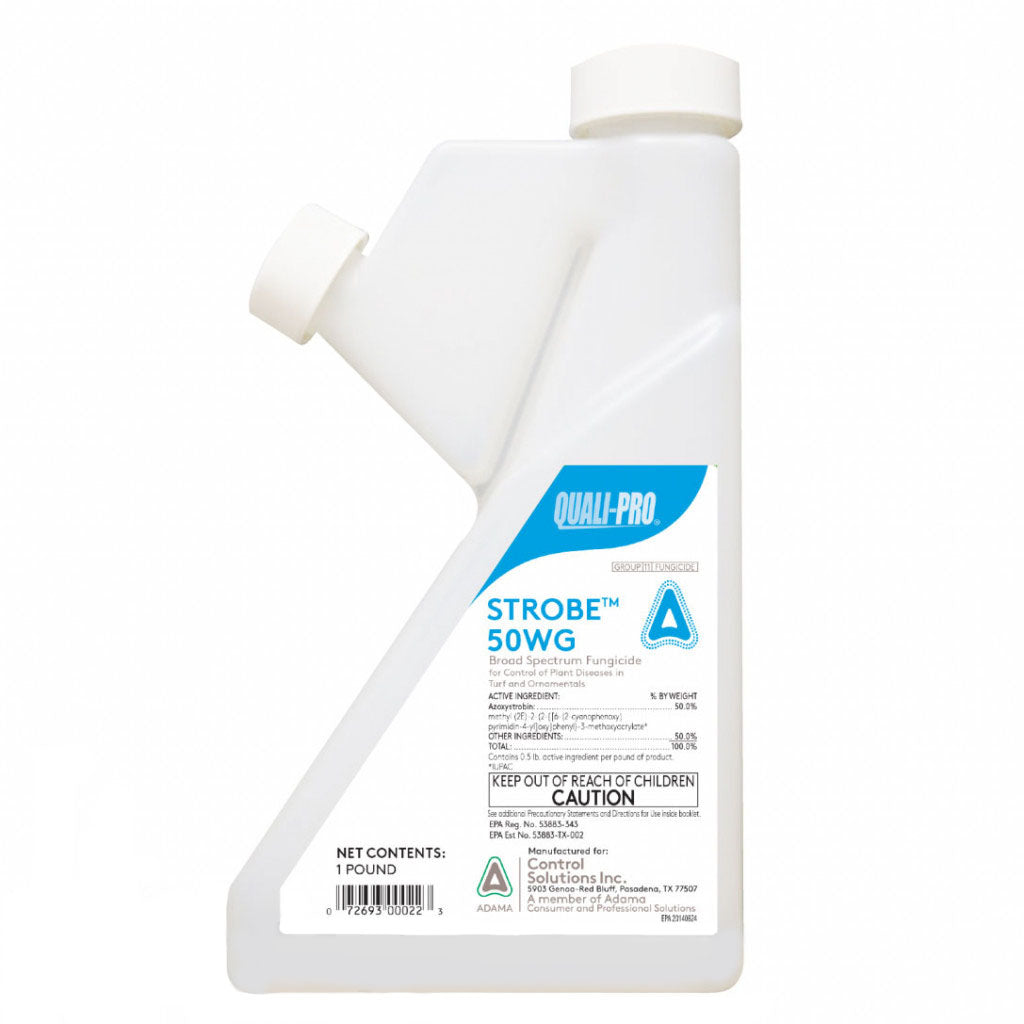
Strobe 50WG Broad Spectrum Fungicide
Starting at:
$83.58
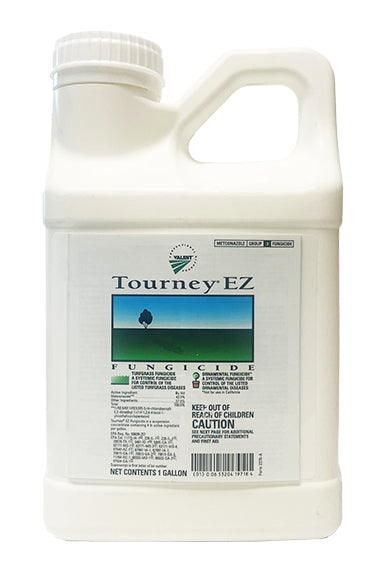
Tourney EZ Fungicide
Starting at:
$145.00
Tourney EZ Fungicide pint (16 oz)
Sale price$145.00
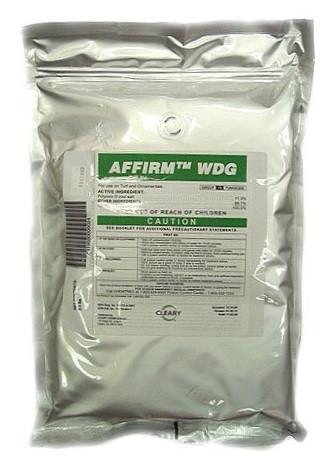
Affirm WDG Fungicide bag (2.4 lbs)
Sale price$273.84
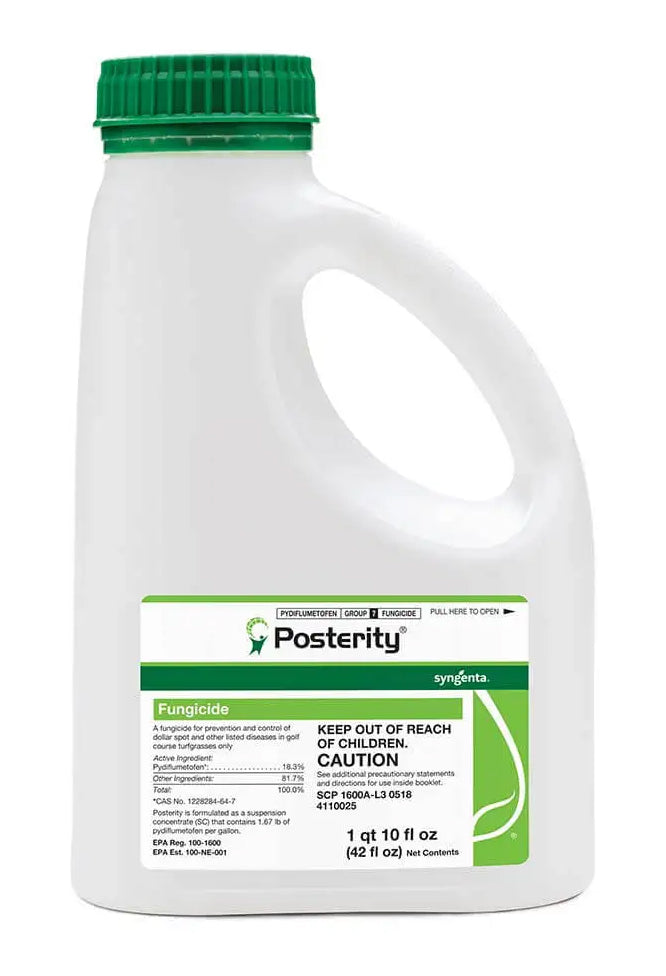
Posterity Fungicide bottle (105 oz)
Sale price$1,790.00
Posterity Fungicide bottle (42 oz)
Sale price$1,036.00
Posterity Turf Fungicide
Starting at:
$1,036.00
Tourney EZ Fungicide gallon (128 oz)
Sale price$912.40
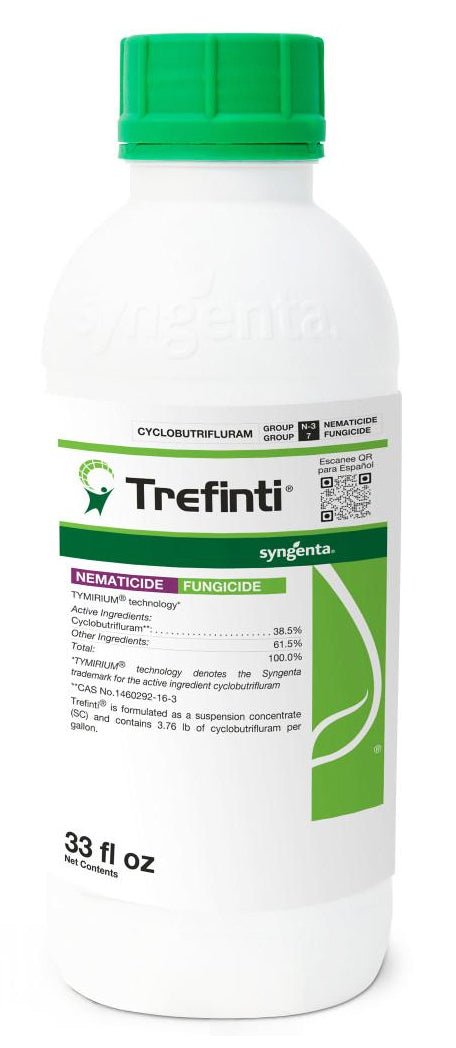
Trefinti Nematicide/Fungicide bottle (33 oz)
Sale price$1,353.00
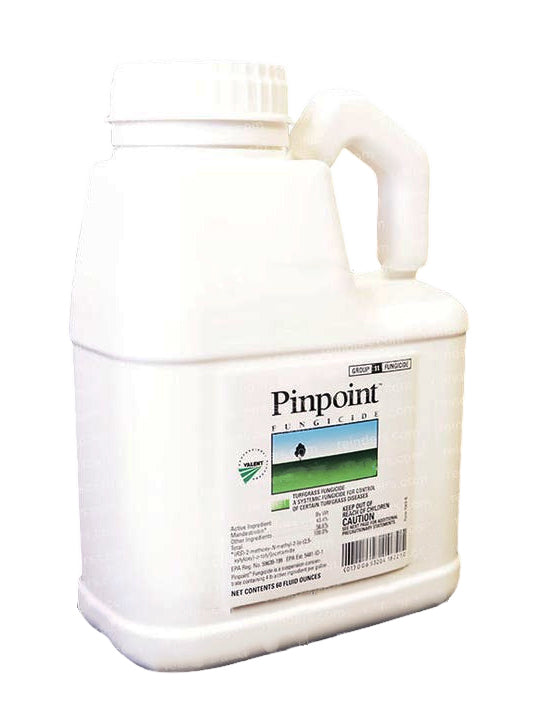
Pinpoint Turf Fungicide bottle (60 oz)
Sale price$505.27
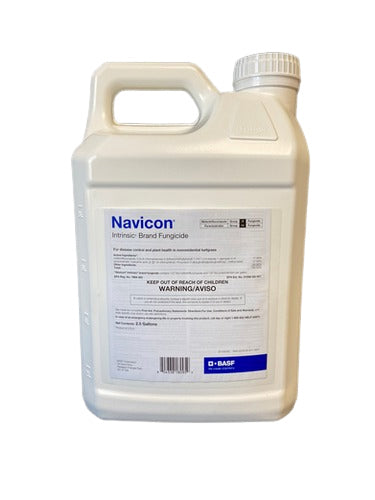
Navicon Intrinsic Fungicide jug (2.5 gal)
Sale price$3,825.00
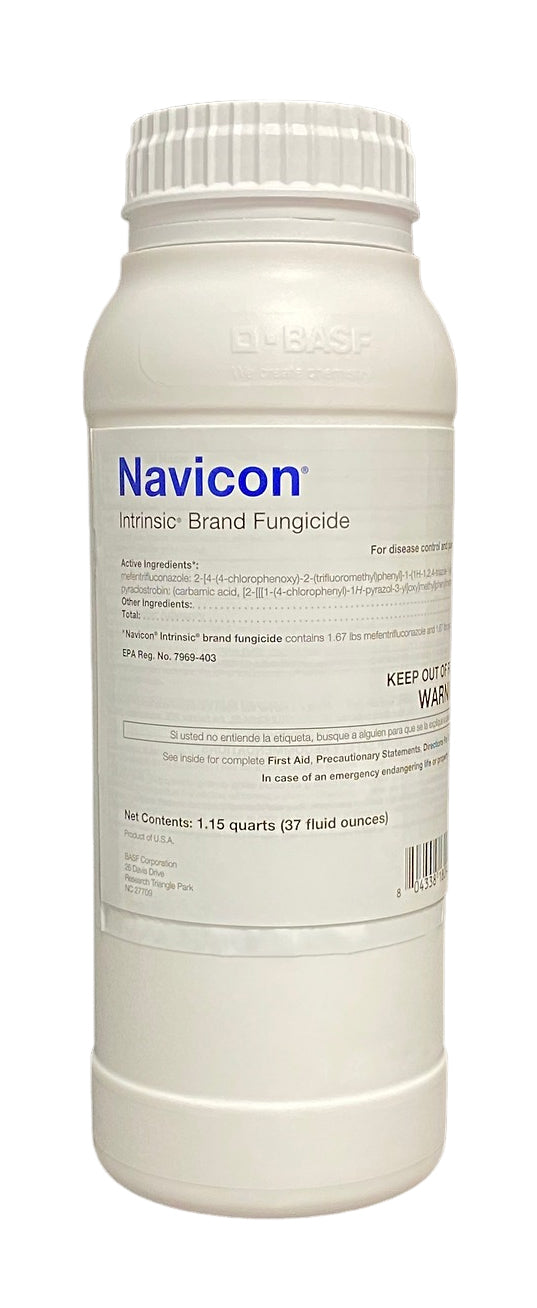
Navicon Intrinsic Fungicide bottle (37 oz)
Sale price$603.84
