Ascochyta Leaf Blight Fungicides
2 products
Showing 1 - 2 of 2 products
Ascochyta leaf blight is a highly visible but usually temporary foliar disease of Kentucky bluegrass. It can also affect tall fescue and perennial ryegrass. The disease often looks worse than the lasting damage because it usually blights leaves without killing crowns or roots.
What Ascochyta Leaf Blight Looks Like
Large, irregular areas may turn straw-colored very quickly, sometimes overnight. Unlike uniform drought injury, healthy green leaves are often mixed among blighted leaves. Individual blades commonly die back from the tip, with an abrupt, slightly pinched margin between healthy and bleached tissue. Tiny yellow-to-dark-brown fruiting bodies called pycnidia may appear like pepper grains in dead tissue and help confirm the diagnosis.
Why It Develops
The trigger is not fully understood. Colorado State reports that outbreaks often follow cool, rainy periods and then appear during hot, droughty weather. Rapid changes between wet and dry soil, uneven irrigation coverage, excessive rain or overwatering, and poor drainage can all increase stress. Frequent mowing, mowing wet turf, and dull mower blades create wounds that may increase severity. Heavy spring nitrogen can produce tender growth and require more mowing.
Help the Turf Recover
- Check irrigation uniformity and maintain even soil moisture without keeping the soil saturated.
- Water early in the morning so leaves dry quickly and dew is removed.
- Keep mower blades sharp, avoid mowing wet turf, and reduce mowing frequency during an outbreak.
- On lawn-height turf, maintain approximately 2½–3 inches where the turf species and use permit.
- Aerify compacted areas, manage thatch, and use balanced fertility without excessive spring nitrogen.
What Recent University Guidance Says
Colorado State’s guidance, reviewed in 2025, emphasizes that affected turf usually produces new leaves and recovers within a few weeks. Fungicide timing is difficult because outbreaks are sporadic and develop rapidly. A 2024 Nebraska Extension report reached a similar conclusion and noted that several fungicide applications on an active perennial ryegrass outbreak had not yet provided a visible benefit.
Colorado State also states that several fungicides inhibit Ascochyta growth, but it does not identify specific products and cautions that rapid, sporadic outbreaks make preventive and curative timing difficult. Nebraska likewise did not name the fungicides used in its campus observation. Those reports support cultural recovery first; they do not justify guessing which unlisted product was effective.
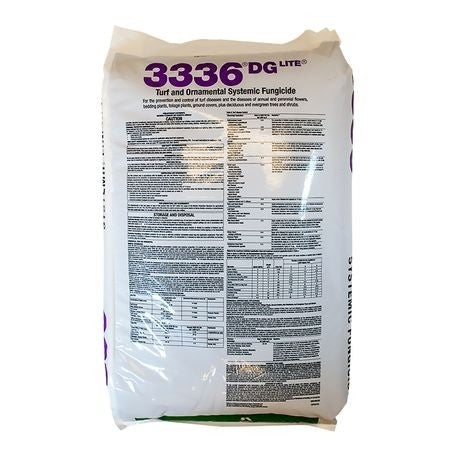
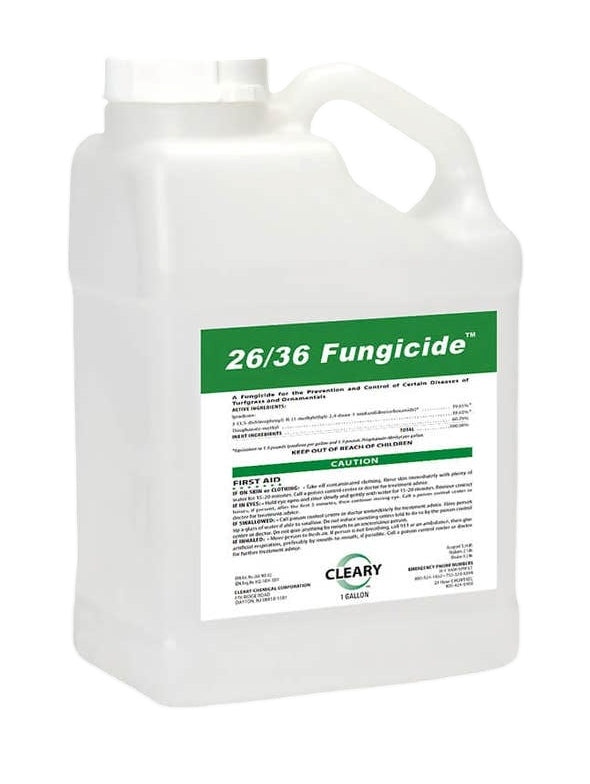
The products shown below carry label claims for Ascochyta leaf blight, but a label claim does not mean treatment will outperform cultural recovery in every outbreak. Reserve fungicides for correctly diagnosed, severe disease on high-value turf, and set expectations accordingly. Correct moisture and mowing stress first.
How research is presented: When a university names a product or active ingredient that performed in a trial, that finding can be reported even if the current label does not name Ascochyta. It will be identified as research evidence, not as a label claim. Verify the permitted turf or application site, use pattern, and state requirements before application.
University sources: Colorado State University Extension and Nebraska Turfgrass Science.