Brown Patch Fungicides
74 products
Showing 73 - 74 of 74 products
Brown patch, caused by Rhizoctonia solani, is a common warm, humid-weather disease of cool-season turf and can also damage warm-season turf under favorable conditions.
What to Look For
Circular or irregular brown patches may range from a few inches to many feet across. A gray or dark smoke ring can appear at the margin in humid weather. Tall fescue leaves often show tan lesions with dark brown borders.
Why It Develops
Warm nights, extended leaf wetness, high humidity, lush nitrogen growth, poor airflow, thatch, and late-day irrigation increase risk. Disease can develop rapidly when nights stay warm and leaves remain wet.
Reduce Disease Pressure
- Water early and reduce the length of nightly leaf wetness.
- Avoid excessive quick-release nitrogen during high-risk weather.
- Improve airflow and drainage and manage excess thatch.
- Mow with sharp blades and avoid spreading wet clippings from active patches.
What University Research and Extension Guidance Says
Kentucky's 2024 trials found QoI fungicides generally most reliable at about four-week intervals on high-maintenance turf, while some DMI and SDHI products performed well but less consistently. Granular formulations sometimes provided less complete control than sprays. NC State's 2026 guidance likewise favors preventive timing when warm, humid weather is forecast.
Choosing and Using a Fungicide
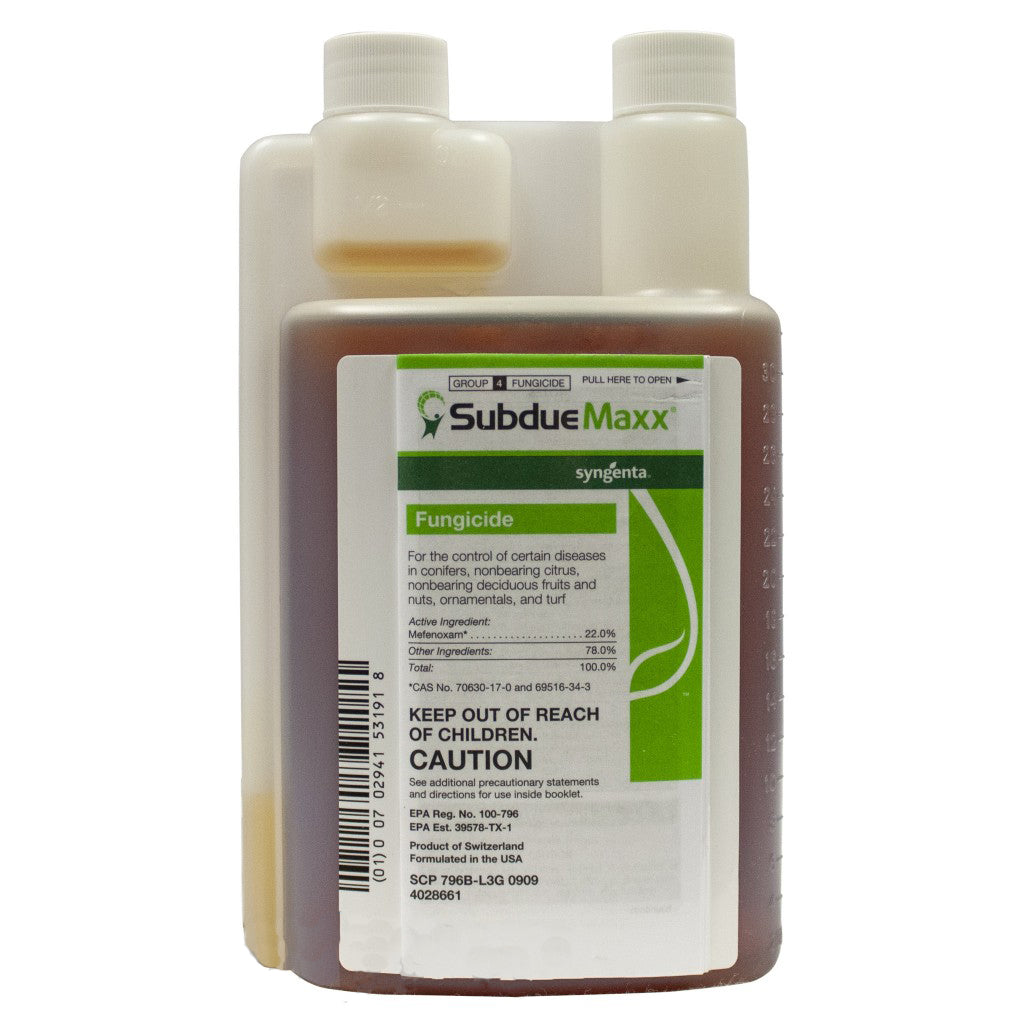
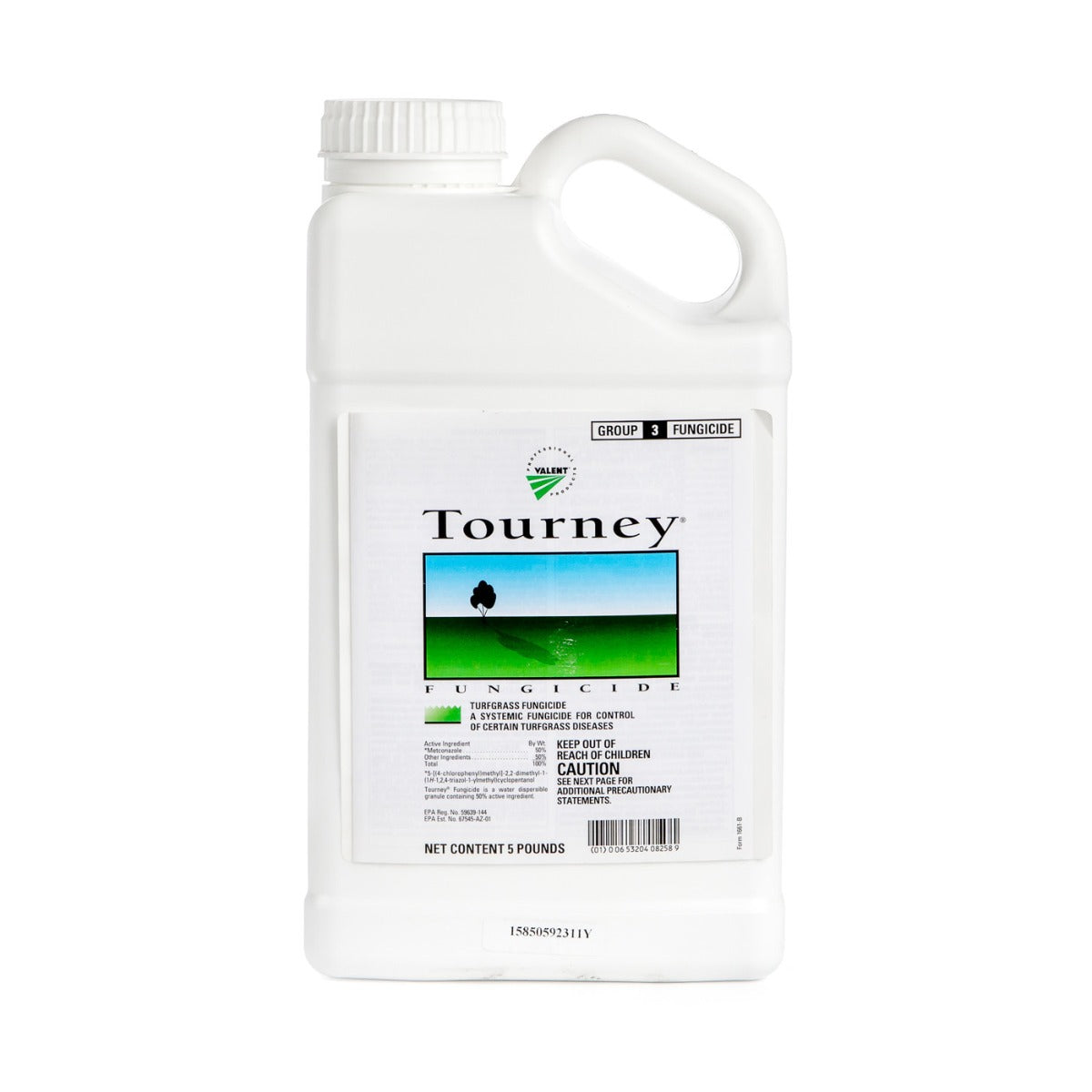
Use the products below as a starting point, then match the active ingredient, FRAC group, turf species, use site, timing, rate, interval, and watering directions to the current product label. Preventive or very early applications are usually more reliable than rescue treatments after extensive injury. Rotate effective FRAC groups and combine fungicides with the cultural changes above.
Research and label note: University research may identify useful activity even when a current product label does not name this disease. That is research evidence, not a label direction. Apply a product only where the turf or application site and use pattern are permitted, and follow the complete label and applicable state requirements.
University sources: University of Kentucky: Chemical Control of Turfgrass Diseases 2024; NC State Extension: Disease Management in Landscape Turf.