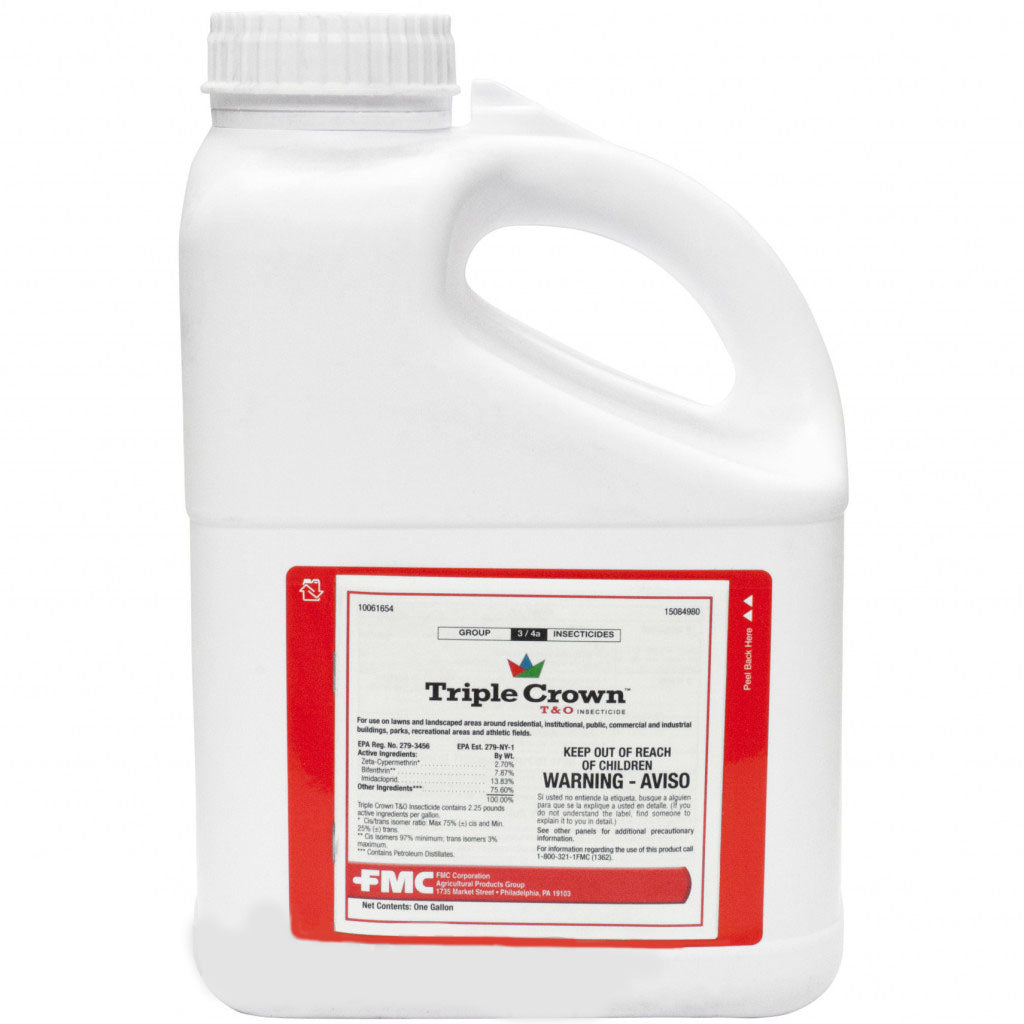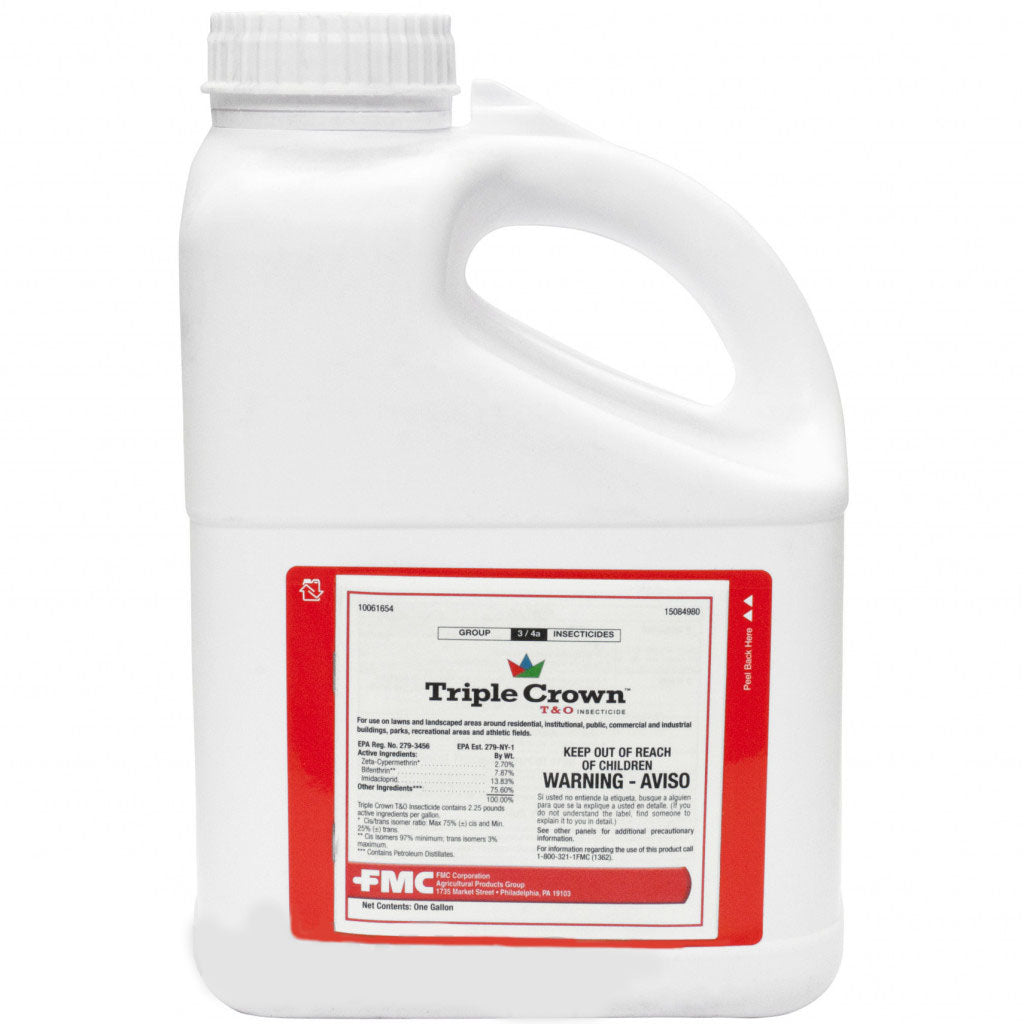
Frit Fly Control in Turf
2 products
Showing 1 - 2 of 2 products
Frit fly larvae are tiny stem-boring maggots that can injure annual bluegrass, bentgrass, and other fine turf. Damage is most noticeable on closely mown golf turf.
How to Recognize Frit Flies
Individual tillers yellow, wilt, or die from the center, creating scattered pin-size spots rather than large uniform patches. Splitting affected shoots may reveal a small pale maggot or feeding damage near the growing point.
Why Damage Develops
Adults lay eggs near leaf sheaths and several generations may occur. Closely mown, succulent turf can show damage quickly, but symptoms are easily confused with disease or mechanical injury.
Reduce Pest Pressure
- Scout the turf and confirm the pest before treating.
- Correct irrigation, fertility, mowing, thatch, or compaction problems that weaken roots and crowns.
- Treat the susceptible life stage and preserve beneficial insects where practical.
What University Research and Extension Guidance Says
University diagnostic guidance stresses opening symptomatic tillers and confirming larvae before treatment. Timing must target adults or newly hatched larvae before they are protected inside stems.
Choosing and Timing a Turf Treatment
Use the products below as a starting point, then select a product labeled for the turf site and target pest. Match the application to the vulnerable life stage, place the material where the pest is feeding, and follow watering-in directions when treatment must reach the crown or root zone.
Research and label note: Research results help explain pest biology, timing, and product performance, but they do not expand a product label. Confirm the turf species, use site, target pest or nematode, life stage, rate, irrigation directions, and application interval on the current label before use.
University sources: NC State Extension: Arthropod Pests of North Carolina Turf; NC State Extension: Pest Control for Professional Turfgrass Managers.