Greenbug Control in Turf
1 product
Showing 1 - 1 of 1 product
Greenbugs are aphids that feed on cool-season grasses and inject toxic saliva. Kentucky bluegrass and other lawn or sports turf can develop expanding yellow-to-orange injury during outbreaks.
How to Recognize Greenbugs
A narrow yellow or orange band may border a dead center as colonies spread outward. Small pale-green aphids cluster on leaves; a hand lens and close inspection at the advancing edge are useful.
Why Damage Develops
Warm dry periods, susceptible turf, excess nitrogen, and reduced natural-enemy activity can favor rapid population growth.
Reduce Pest Pressure
- Scout the turf and confirm the pest before treating.
- Correct irrigation, fertility, mowing, thatch, or compaction problems that weaken roots and crowns.
- Treat the susceptible life stage and preserve beneficial insects where practical.
What University Research and Extension Guidance Says
Extension programs recommend checking the active margin of damaged patches because aphids may have left the dead center. Preserving predators and treating only confirmed active infestations helps avoid unnecessary broad-spectrum applications.
Choosing and Timing a Turf Treatment
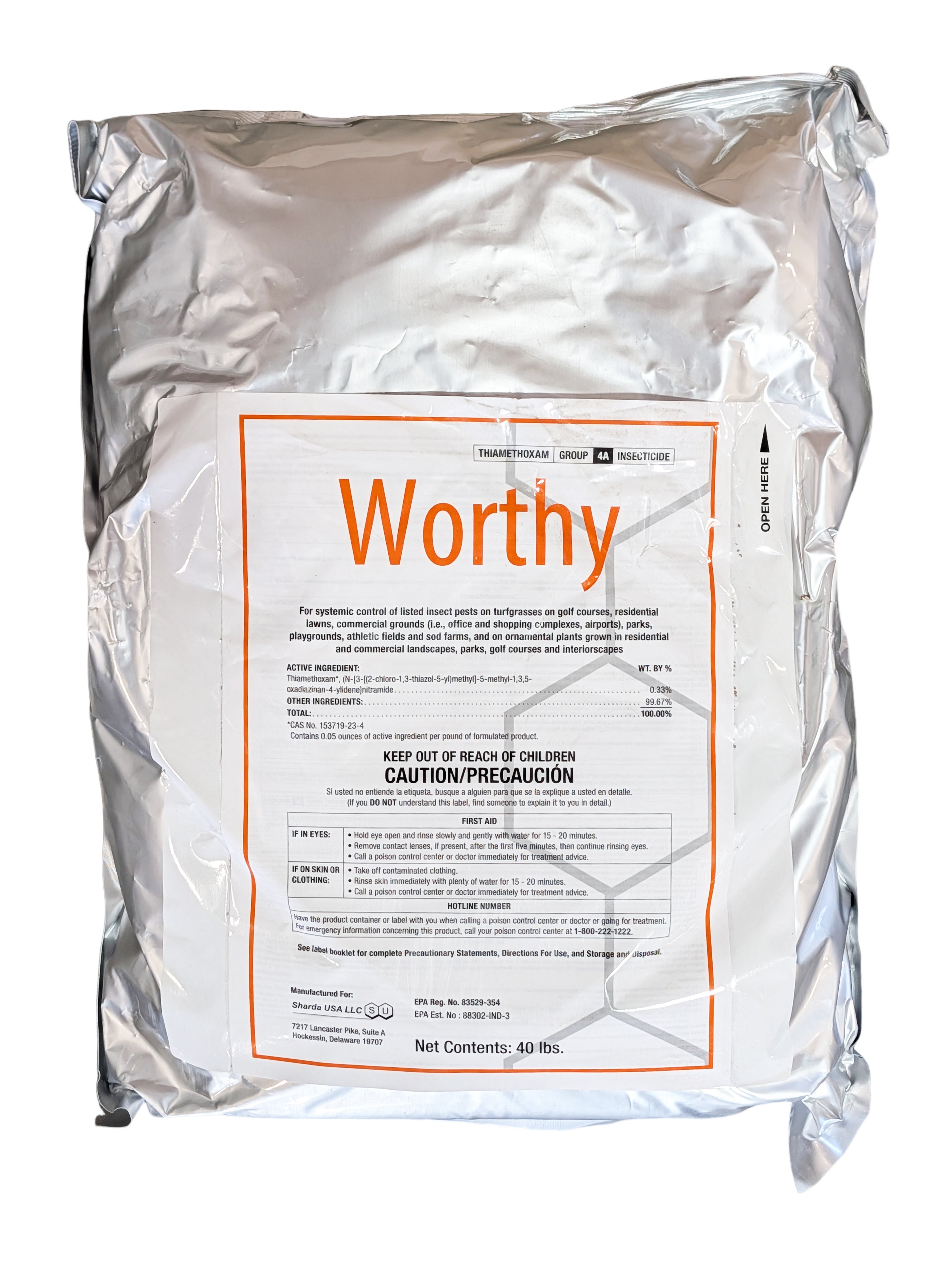
Use the products below as a starting point, then select a product labeled for the turf site and target pest. Match the application to the vulnerable life stage, place the material where the pest is feeding, and follow watering-in directions when treatment must reach the crown or root zone.
Research and label note: Research results help explain pest biology, timing, and product performance, but they do not expand a product label. Confirm the turf species, use site, target pest or nematode, life stage, rate, irrigation directions, and application interval on the current label before use.
University sources: NC State Extension: Arthropod Pests of North Carolina Turf; NC State Extension: Pest Control for Professional Turfgrass Managers.