Slime molds feed on microorganisms and decaying organic matter rather than turfgrass. Their sudden appearance is usually cosmetic and short-lived.
What to Look For
Purple, white, gray, yellow, orange, tan, or black pustules coat leaves in patches and may resemble soot or spilled paint. Dense growth can temporarily yellow turf by shading the leaves.
Why It Develops
Warm wet weather activates spores in soil and thatch. Flushes often follow a heavy rain after a dry period, especially where the canopy dries slowly.
Reduce Disease Pressure
Brush, rake, mow, or wash the pustules from the leaves.
Allow the area to dry and avoid unnecessary irrigation.
Improve airflow and drainage.
Manage excess thatch where it contributes to slow drying.
What University Research and Extension Guidance Says
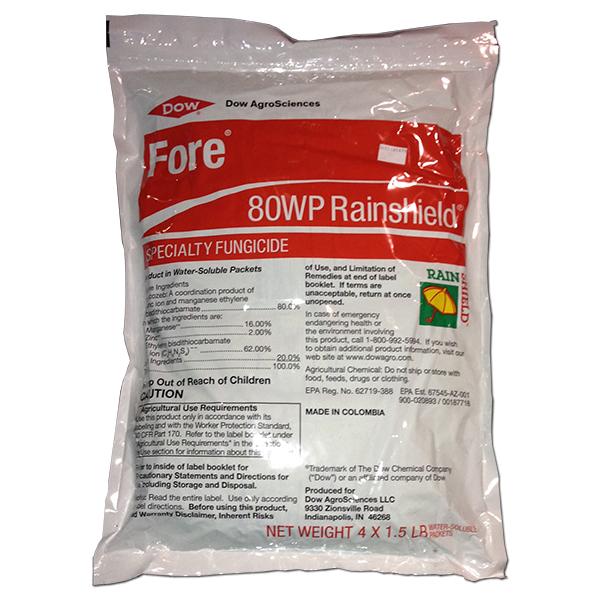
NC State recommends no fungicide for most outbreaks because growth usually disappears within a few days. It rates mancozeb as effective when severe, persistent growth on a high-visibility site justifies treatment. Physical removal and moisture correction remain the first choices.
Choosing and Using a Fungicide
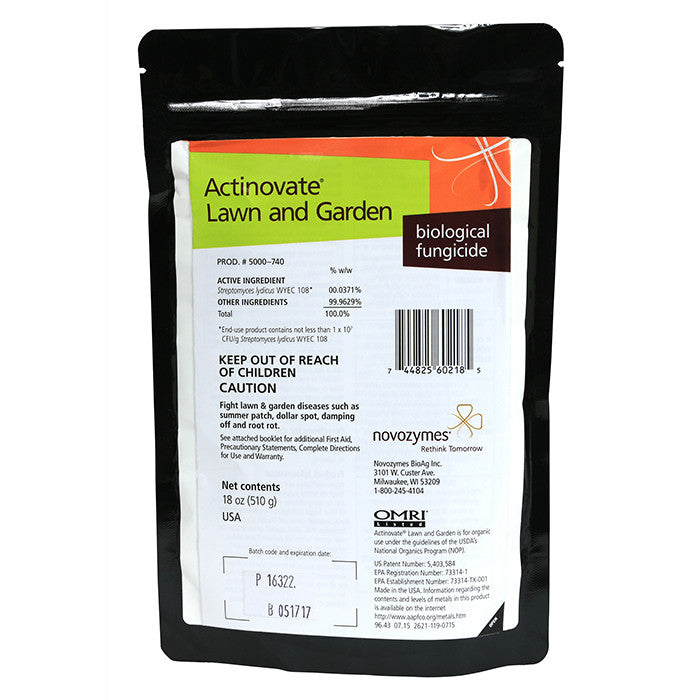
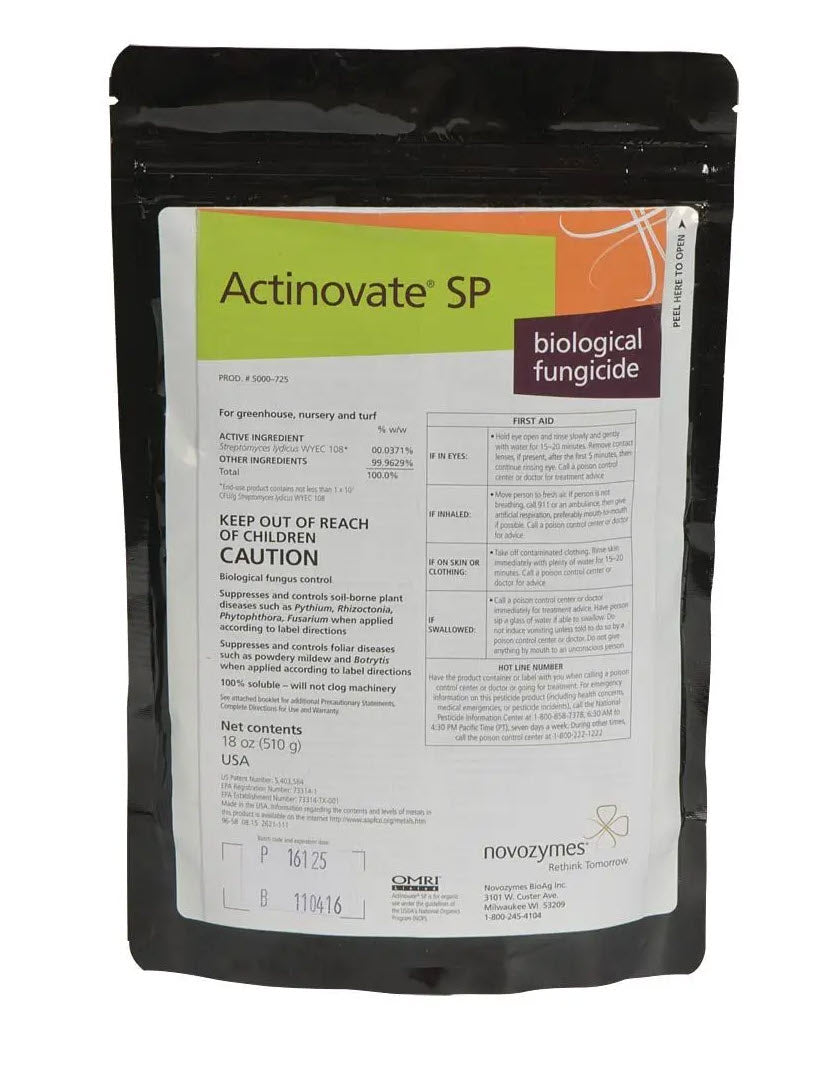
Use the products below as a starting point, then match the active ingredient, FRAC group, turf species, use site, timing, rate, interval, and watering directions to the current product label. Preventive or very early applications are usually more reliable than rescue treatments after extensive injury. Rotate effective FRAC groups and combine fungicides with the cultural changes above.
Research and label note: University research may identify useful activity even when a current product label does not name this disease. That is research evidence, not a label direction. Apply a product only where the turf or application site and use pattern are permitted, and follow the complete label and applicable state requirements.